Best Cities to Do Business in China: Shanghai, Shenzhen and Beijing Compared
There is no single "best" city in China — there is the right city for your business. Shanghai for consumer and finance, Shenzhen for hardware and speed, Beijing for policy and R&D. Here is how to choose.
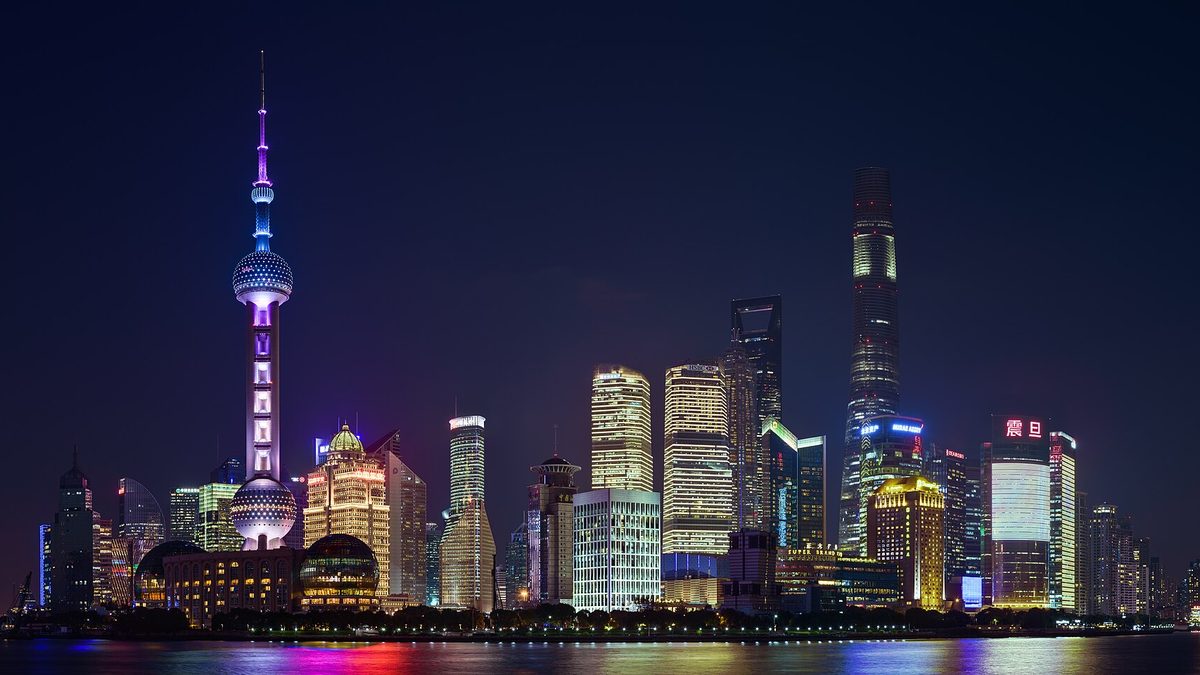
Foreign companies default to Shanghai out of habit, and often that is the wrong call for what they actually sell. China's three first-tier hubs — Shanghai, Shenzhen and Beijing — have drifted apart into genuinely different business ecosystems, and the choice of registered city affects your customers, your supply chain, your talent pool and the incentives you can claim. Here is the comparison in practical terms, not tourism terms.
Shanghai: the consumer, finance and services capital
Shanghai is the natural home for anything that touches consumers, brands, finance, professional services or regional headquarters. It has the deepest pool of multinational managers, the most mature English-language business environment, and the strongest cluster of foreign banks, law firms and consultancies. It is also the most expensive for office space and mid-to-senior staff, and the municipality pushes high-value-added industries over plain manufacturing.
Choose Shanghai if your China play is selling into the domestic consumer market, financial services, fashion and beauty, F&B, or a regional HQ that coordinates sales across Asia. The cost is real, but so is the ecosystem: everything a foreign executive needs to live and operate is already there.
Shenzhen: hardware, supply chain and speed
Shenzhen is where electronics, hardware, cross-border e-commerce and anything built in the Pearl River Delta belongs. If your product is manufactured or assembled in Guangdong, being an hour from the factories is worth more than any tax incentive. Shenzhen is also famously fast — its market regulator is among the most efficient in China for incorporation, and the city has the youngest workforce and the most entrepreneurial culture of the three.
The trade-off is that Shenzhen is a maker city, not a consumer-finance city: it is thinner on multinational headquarters, high-end financial services and the English-speaking professional layer that Shanghai has in abundance. For a hardware or e-commerce company, though, none of that matters next to the supply chain.
Beijing: policy, research and government-facing business
Beijing is the wrong default for a pure commercial play and the right one for anything that depends on central government relationships: regulated industries, policy-driven sectors, public procurement, universities and R&D. The city has China's densest concentration of top universities and state research institutes, which makes it the strongest talent pool for deep-tech, AI and regulated industries — and the necessary base if your business model is built around licences, approvals or partnerships with state entities.
The downsides are real: higher administrative friction, a less internationally oriented services market than Shanghai, and little hardware ecosystem compared with Shenzhen. Beijing suits companies whose China strategy is regulatory and institutional, not consumer or manufacturing.
What actually changes the decision
Before you pick a city, rank these four factors honestly:
- Customer location: where your buyers actually are — a city for prestige is a cost, not an asset.
- Supply chain: how far your registered address and your operations should be from factories, ports or warehouses.
- Talent: the specific people you must hire, and whether that talent clusters in one city.
- Incentives: free-trade zones and district-level subsidies (rent, talent, tax rebates) that are tied to a registered address — confirm current terms with the zone directly, as programmes change frequently.
One more structural point: your WFOE's registered address determines which market regulator, tax bureau and bank branch you deal with day-to-day, so the "ease of doing business" question is local, not national. A city that is efficient on paper can still be slow in the specific district where your address sits.
Decide the city from your operations, then choose the district for the incentives and the address. Many companies do the reverse — pick a famous address first — and spend years commuting staff and paperwork across a city that was never where their business actually happens.
The bottom line
Consumer, brand, finance or HQ → Shanghai. Hardware, e-commerce or manufacturing → Shenzhen. Regulated, policy or R&D → Beijing. And if none of the three fits, the second-tier options — Hangzhou for e-commerce, Suzhou for advanced manufacturing, Guangzhou for trade — are often cheaper without giving up much. Once you have a shortlist, the incorporation mechanics are the same; start with How to Set Up a Company in China, and time-box the setup with our realistic timeline.