Latest articles

How Foreign Investors Access China's Bond Market: CIBM Direct, Bond Connect and QFII
Foreign investors can buy Chinese bonds through CIBM Direct, Bond Connect or the QFII scheme — and the quota is gone. How each channel works, how to get registered, and how bond interest is taxed for overseas institutions.
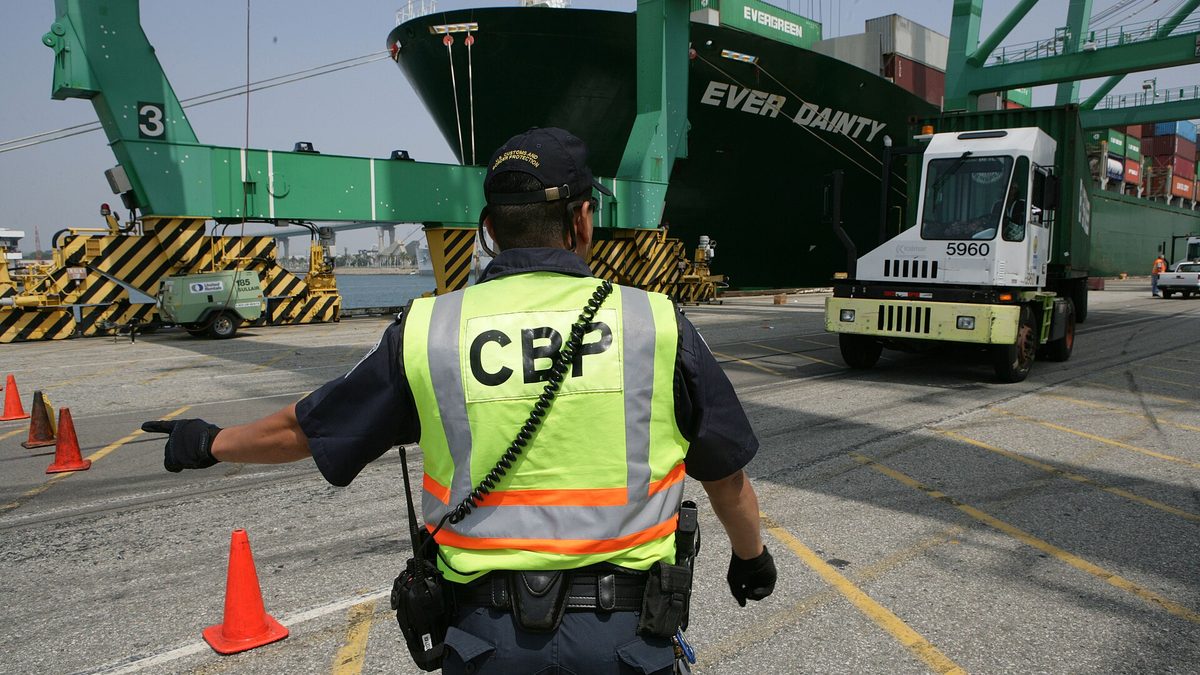
China Customs Advance Rulings: How Importers Lock In Tariff Classification, Origin and Valuation
A China customs advance ruling binds the classification, origin or valuation method for your specific goods for three years, nationwide. Who can apply, when to apply, and how it differs from a public classification ruling.

Setting Up a Regional Headquarters in China: Incentives, Structures and Compliance for Multinationals
A China regional headquarters is a designation, not a new company type — and the real substance is in municipal incentives. How Shanghai and Beijing define and reward regional HQs, and what a multinational must actually qualify for.

China Medical Device Registration (NMPA): Class I, II, III and Clinical Requirements for Foreign Manufacturers
Selling a medical device into China means getting it registered or filed with the NMPA, not just clearing customs. How the Class I, II and III system works, what a foreign manufacturer's Chinese agent must do, and the clinical-evaluation and quality-system requirements that decide whether you can sell.

China's Carbon Market and ETS: Compliance for Foreign-Invested Manufacturers
China's national emissions trading scheme started with power and is widening to steel, cement and aluminium — and it covers a factory by its emissions, not by its ownership. How the ETS works, who is caught, and what a foreign-invested manufacturer must do to monitor, report, verify and surrender allowances.

Appointing a Distributor or Sales Agent in China: Key Contract Clauses for Foreign Brands
A foreign brand entering China without a full subsidiary usually signs a distributor or sales-agent agreement — and the clauses you leave out are the ones that decide the exit. Territory, exclusivity, pricing, IP, termination compensation and dispute resolution: what to fix in writing before you sign.

Accepting Payments in China: WeChat Pay, Alipay and Cross-Border Collection for Foreign Merchants
Selling to Chinese consumers means accepting how they actually pay — WeChat Pay and Alipay — but a foreign merchant cannot simply open a merchant account from abroad. How China's payment rules work, and the practical routes to get paid.
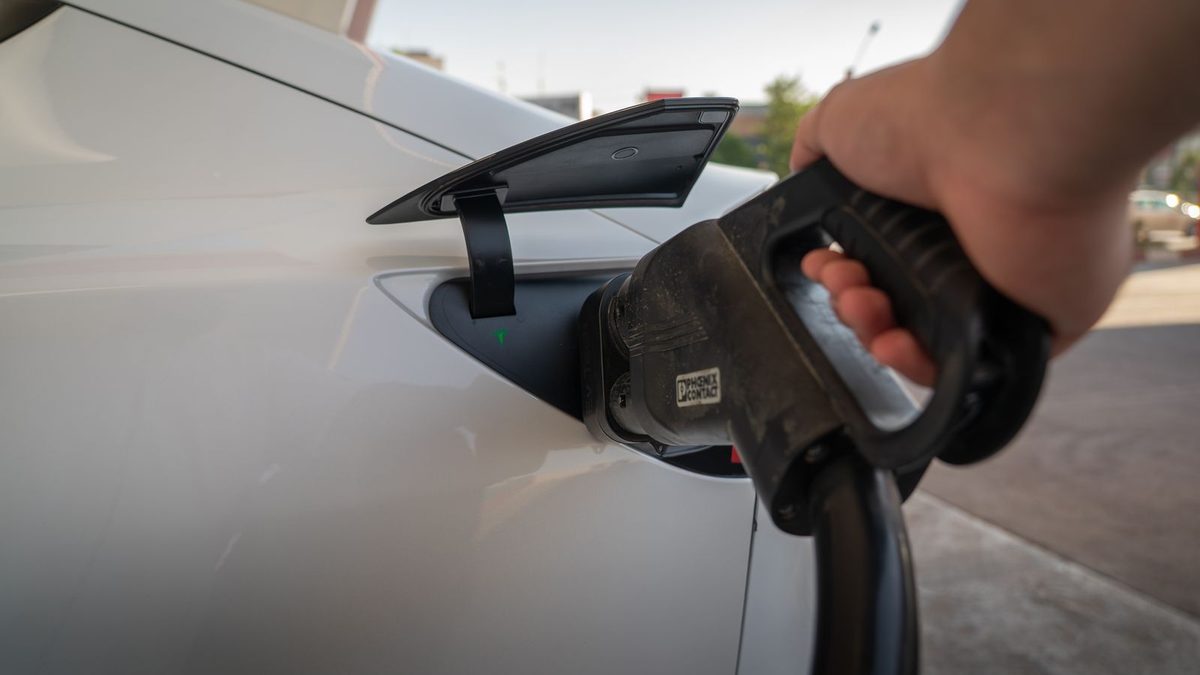
China Automotive and NEV Market Entry: Foreign Investment, Homologation and Type Approval
China is the world's largest vehicle market and the center of NEV production, and foreign ownership of car manufacturing is now fully open. What it takes to enter: the entity, the MIIT catalogue, CCC certification and the emissions and battery standards.

China Chemical Regulation: New Chemical Substance Registration and Compliance for Importers
Any chemical substance not on China's IECSC inventory is a 'new chemical substance' and must be registered before import. The rules changed in October 2026 — here is how the current MEE regime works, the three tonnage tiers, and what a foreign exporter must arrange.

Outsourcing to China: How to Contract with Chinese Service Vendors
Outsourcing software development, back-office work or marketing to a Chinese vendor saves money only if the contract gets three things right: scope, intellectual-property ownership and data protection. What to negotiate and what to avoid.

China Secondment and Intra-Group Transfers: Work Permits, PE Risk and Compliance
Seconding a foreign executive or specialist into a China entity looks like a simple staffing move, but it touches work permits, individual income tax, social insurance and permanent-establishment risk. How to structure a secondment that holds up.

China Business Insurance: What Coverage a Foreign Company Actually Needs
A foreign company in China has one layer of insurance that is mandatory — social insurance for its staff — and a second layer of commercial coverage that is optional but usually a mistake to skip. What each covers, what the law requires, and how to buy it.

Manufacturing in China for Export: Processing Trade, Duty Drawback and Re-Export Compliance
Foreign manufacturers producing in China for export can cut duties through processing trade and duty drawback — but the customs supervision is strict. How the bonded manuals work, what triggers a customs audit, and how to stay compliant.

China PIPL Compliance Checklist: Personal Information Protection for Foreign Companies
China's Personal Information Protection Law reaches any foreign company processing the data of individuals in China. A practical checklist — legal bases, consent, sensitive data, cross-border transfer, the data officer and breach duties.

China Product Recall Procedures for Foreign Brands: What to Do When a Product Fails
A defective product in China is not just a refund — it can trigger a mandatory recall by the market regulator. How China's recall system works, the producer's and importer's obligations, and the steps to take when a product fails.

China Labor Unions and Collective Consultation: A Guide for Foreign Employers
China's labor-relations framework adds a union and consultation layer that foreign employers often overlook. How unions work, what a collective contract binds, the 30-day rule for layoffs, and the consultation steps you must document.

China Annual Corporate Income Tax Filing for WFOEs (汇算清缴)
A WFOE pays corporate income tax provisionally all year, then settles the real number in the annual 汇算清缴 filing due by 31 May. How the process works, the adjustments foreign companies miss, and the penalties for late or wrong filing.

China ICP and Value-Added Telecom Licenses: How Foreign Companies Launch Websites and Apps Legally
An ICP filing and an ICP licence are different things, and a foreign-owned site or app may also need a value-added telecom licence such as an EDI licence. What each covers, the foreign-ownership rules, and how to apply.

Opening a Store on Tmall and JD for Foreign Brands: Setup, Licensing and Compliance
Tmall Global or a domestic store, JD Worldwide or a local entity: the choice changes what you need to register. Trademarks, product filing, advertising and consumer-protection rules — the setup and compliance checklist for foreign brands.

Leasing Office Space in China for Your WFOE: Commercial Lease Terms and Deposit Risks
A WFOE needs a registered address to exist, and the office lease is a contract, not a formality. The terms to check — deposit, rent escalation, early exit, registered address — and how to keep your money out of a landlord default.

China Freight Forwarding and Bills of Lading: A Guide for Importers
Who does what in a China ocean import, why the bill of lading is the document that controls release of your goods, telex release vs original B/L, and the Incoterms that decide who calls the shots.

China VIE Structure: What Foreign Investors Must Know About Variable Interest Entities
The VIE structure has let foreign investors reach China's restricted sectors for two decades — but it is a contractual patch, not a licensed right. How it works, where it is used, and the regulatory risk you carry.

China Stamp Duty Law: What Foreign Companies Pay on Contracts
China's Stamp Duty Law has applied to every taxable contract since 1 July 2022. What foreign companies pay on sales, loan, lease and transfer documents, how the tax base works, and the exemptions that matter.

China Renewable Energy Market: Foreign Investment Rules and Incentives
China builds more solar and wind than any other country, and the equipment, EPC and asset-ownership layers are open to foreign investors to different degrees. The negative-list rules, the incentives that survived, and where the risk sits.