China Import Border Inspection and Quarantine (CIQ): What Your Shipment Faces at Customs
China's border inspection and quarantine regime sits on top of customs duty: statutory commodity inspection, animal and plant quarantine, and food-safety registration of the overseas manufacturer. Here is what your shipment must clear, in the right order.
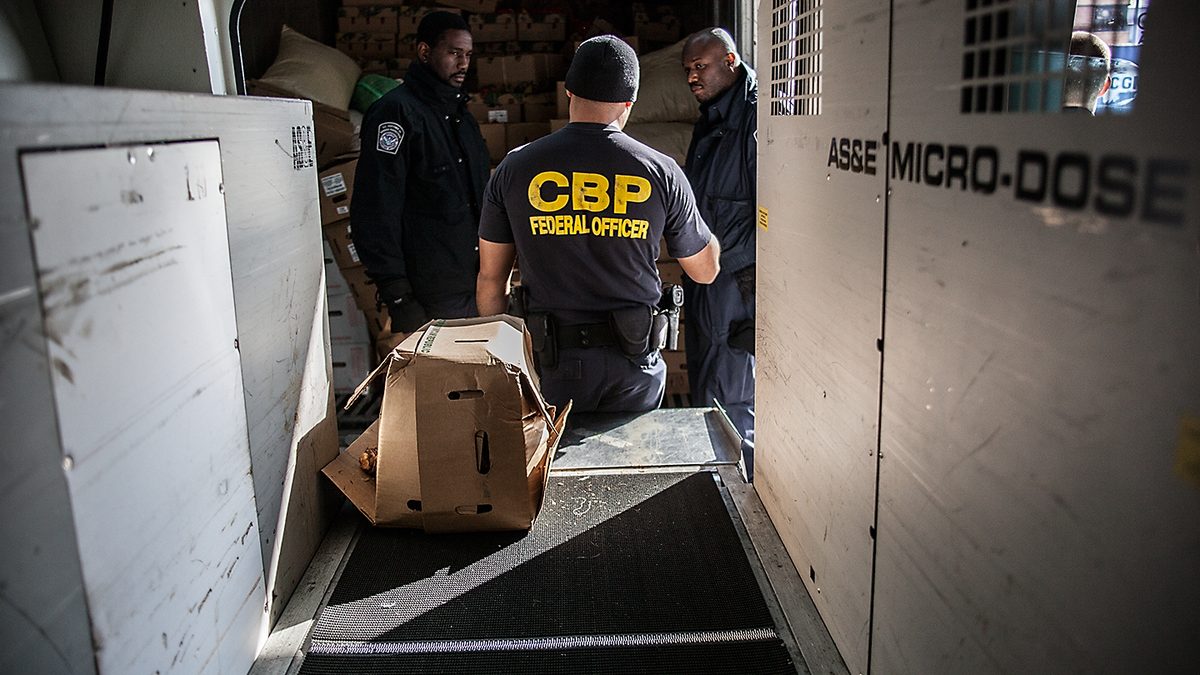
Importers plan for duty and forget the second gate. A China-bound shipment must clear not only customs but also the inspection and quarantine (CIQ) regime — now administered inside the General Administration of Customs (GACC) since the 2018 merger. For regulated categories, the goods cannot be released until the inspection certificate is issued. Getting the order right saves weeks and avoids destruction or return of the cargo.
The 2018 merger: CIQ is now part of Customs
For decades, commodity inspection and quarantine sat in a separate agency (AQSIQ). In 2018 the inspection and quarantine functions merged into Customs (GACC), so a single declaration now feeds both duty and inspection. The governing statutes remain separate: the Law on Import and Export Commodity Inspection (amended 2018), the Law on the Entry and Exit Animal and Plant Quarantine, and the Food Safety Law for food. One declaration, several laws.
Statutory commodity inspection
Certain commodities are subject to statutory inspection: they appear in the catalogue of import and export commodities subject to inspection and must pass inspection — or obtain an exemption — before clearance. The catalogue includes categories such as certain machinery, electrical products, chemicals and consumer goods, with HS codes as the trigger. If your HS code falls in the catalogue, the goods are sampled and tested against the relevant mandatory standards; clearance is conditional on the inspection result.
Animal and plant quarantine
Goods derived from animals or plants — wood packaging, seeds, foodstuffs, leather — face quarantine under the Law on the Entry and Exit Animal and Plant Quarantine. The exporter side needs a phytosanitary or veterinary certificate from the origin country, and the shipment must come from a facility approved or registered where the rules require it. Wood packaging in particular must comply with ISPM 15 and carry the IPPC mark, or the shipment can be treated, returned or destroyed at the importer's cost.
Food: register the overseas manufacturer first
Food is the strictest lane. Under GACC Decree No. 248 (effective 1 January 2022), overseas manufacturers of imported food must register with GACC before their products can be declared, and the registration is tied to specific categories. Decree No. 249 sets out the import food-safety requirements, including the Chinese-language label, the health certificate, and record-filing of importers and exporters. A consignment whose manufacturer is not registered — or whose label does not meet the standard — will not clear, regardless of how good the product is.
How to prepare a shipment
- Classify the HS code correctly, then check the commodity-inspection catalogue and any licence requirements;
- Check quarantine requirements for the product and its packaging (ISPM 15 for wood);
- For food, confirm the overseas manufacturer's GACC registration and prepare the label and certificates;
- Prepare the mandatory certificates — origin, health, phytosanitary or veterinary — in the form Chinese customs expects;
- File a complete declaration and respond to any inspection or sampling notice promptly.
The two costliest mistakes are both avoidable — the wrong HS code, which sends the shipment into the wrong inspection lane, and an unregistered food manufacturer, which blocks the goods outright. Verify the code and the registration before the goods ship, not after they arrive.
Customs duty and inspection are one process, so classify first — see China Import Duty Classification: How the Harmonized System Determines What You Pay. If your goods route through a bonded zone, the inspection and duty-suspension logic changes; see China Free Trade Zone vs WFOE: Where to Register Your China Entity.
Related articles

China Market Entry Budget: How Much It Really Costs to Set Up and Run a WFOE
The real cost of a China WFOE is not the registration fee — it is the five-year registered capital rule, the monthly bookkeeping, and the social-insurance burden that starts the day you hire your first employee. Here is a realistic budget.

China Due Diligence: How to Vet a Local Partner, Distributor or Acquisition Target
China hands you an unusually good public paper trail — if you know which registries to pull. Here is the screen, the judgment-debtor check, and the document review that catches hidden shareholding and pledged equity.

China Corporate Governance: Board, Shareholder Meetings and Resolutions for a WFOE
A single-shareholder WFOE has no shareholders' meeting to convene — but it still lives and dies by paperwork. How the 2024 Company Law frames the organs, the legal representative, and the written resolution.