China Environmental Compliance: A Guide for Foreign Manufacturers
EIA approval, discharge permits, the 2020 solid waste import ban and China's carbon market — what foreign manufacturers must check before operating in China.
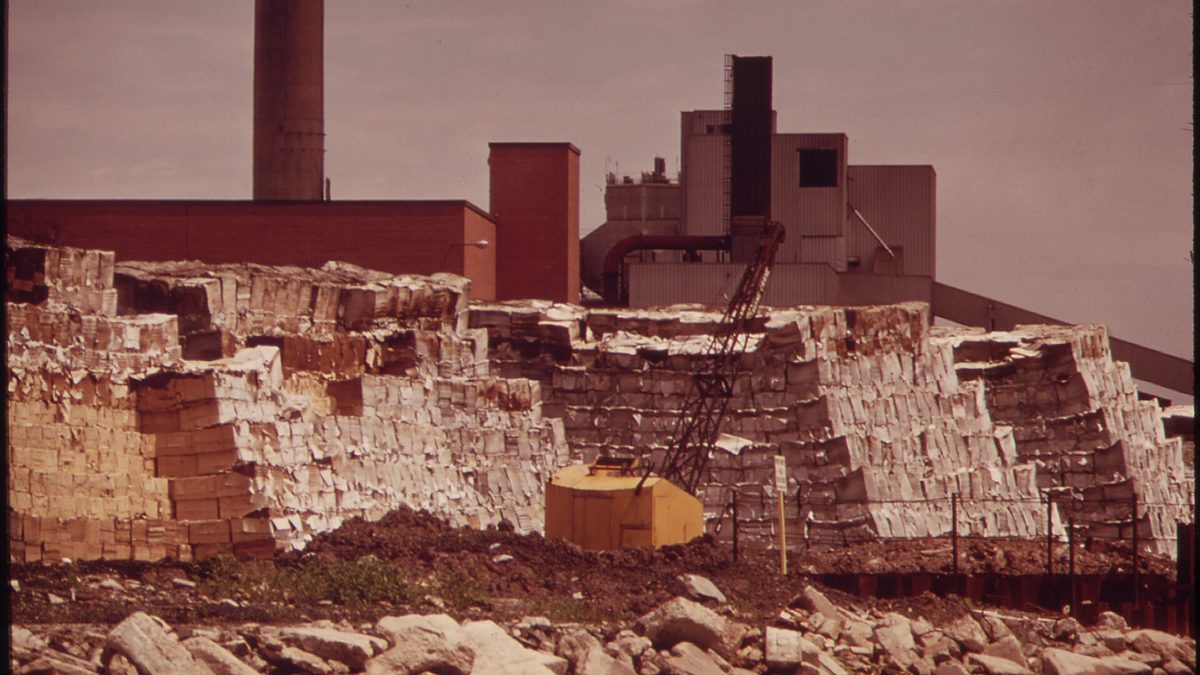
Environmental compliance in China is no longer a soft issue. The 2014 revision of the Environmental Protection Law introduced daily, uncapped fines for continuing violations, and enforcement has only tightened since. A foreign manufacturer that treats environmental permits as an afterthought can find a new plant shut down before it starts.
Environmental impact assessment comes first
Before construction, a project must complete an environmental impact assessment (EIA). Under the EIA Law, projects are classified by impact level, and those with significant impact require an EIA report approved by the competent authority. Building without the required EIA approval exposes the project to stop-work orders and restoration obligations, and the responsible persons can face penalties.
The discharge permit is the operating licence for pollution
Under the Regulations on the Administration of Pollutant Discharge Permits, enterprises that discharge pollutants must obtain a discharge permit and comply with its conditions. The permit sets the pollutants, limits, monitoring and reporting obligations. Emitting beyond the permit, or without one, triggers fines and can lead to production suspension or closure. This is the document your local site must hold and respect, not just a form to file.
Waste, air and water rules
- Solid waste — the 2020 revision of the Solid Waste Pollution Prevention Law banned the import of solid waste and tightened the responsibility of producers for hazardous waste.
- Air and water — separate prevention laws set discharge standards and, in many regions, require online monitoring for key emitters.
- Soil and hazardous waste — site investigation and remediation obligations apply when land use changes or contamination is found.
Carbon is now a compliance topic
China has committed to peak carbon emissions before 2030 and reach carbon neutrality before 2060. A national emissions trading scheme began operating in 2021, initially covering the power sector, with expansion planned. Even outside the trading scheme, energy-intensive projects now face capacity, energy and carbon constraints during approval, so the carbon footprint of a proposed plant can affect whether it is approved at all.
Run an environmental due-diligence review before signing a lease or an acquisition, not after. Inheriting a site with legacy contamination or a non-compliant permit can transfer liability to the new operator under the "polluter pays" principle.
Environmental standards and permit categories are updated regularly. Use this as orientation and confirm the operative requirements with the local ecology and environment bureau for your specific industry and location.
Related articles

Doing Business in China: The Manufacturing Sector
An overview of manufacturing in China — the industrial landscape, cost drivers and the regulatory considerations for foreign producers.

China's FDI Negative List Explained
Understand what the Negative List is, how it works, and how to check whether your sector is prohibited, restricted or fully open to foreign investment.