China Tax for Foreign Companies: Corporate Income Tax and VAT Basics
A practical primer on China's corporate income tax, VAT and withholding tax for foreign-invested companies — rates, filing basics and how the invoice system works.
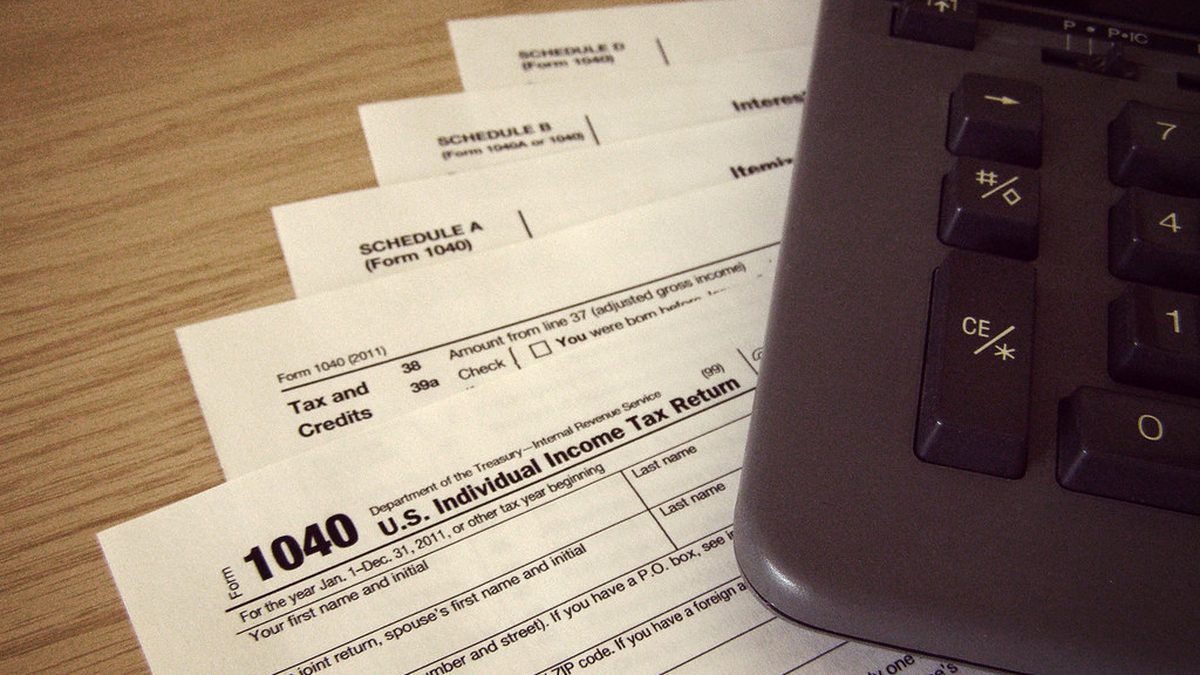
Tax is one of the first things a foreign-invested enterprise (FIE) has to get right in China, and the system is easy to misread from outside. Three taxes dominate: corporate income tax (CIT), value-added tax (VAT) and withholding tax on cross-border payments. This guide covers the baseline you will meet in practice.
Corporate income tax: the 25% headline rate
The standard CIT rate under the Enterprise Income Tax Law is 25%, applied to worldwide income of a resident enterprise. Two common concessions matter to foreign investors. Enterprises certified as "high and new technology enterprises" (HNTE) pay 15%, and small, low-profit enterprises can qualify for substantially reduced effective rates under current preferential policies — the thresholds and rates change, so confirm the figures with the tax authority before relying on them.
VAT: 13%, 9% and 6%
China's VAT operates on a credit-invoice system. General taxpayers apply the standard 13% rate to most goods, 9% to items such as transport, construction and certain agricultural products, and 6% to most services. Small-scale taxpayers use a simplified 3% rate (sometimes temporarily reduced) but generally cannot issue creditable VAT invoices. The rate you charge and the invoices you can issue shape the entire supply chain, so the taxpayer status is a decision, not an afterthought.
Withholding tax on cross-border payments
Dividends, interest and royalties paid to a foreign shareholder or licensor are generally subject to a 10% withholding tax, which is often reduced to 5% under an applicable double taxation agreement. Royalties and service fees can also carry VAT and surcharges, so the gross-up question should be settled when the contract is drafted, not when the first invoice arrives.
Filing and the invoice (fapiao) system
The tax year is the calendar year. VAT is generally filed monthly or quarterly, CIT is prepaid quarterly and settled annually by 31 May of the following year. China's fapiao system is stricter than in most markets: businesses must issue official invoices for sales and can generally deduct input VAT only against compliant special VAT invoices. Missing or irregular invoices are a recurring cause of denied input credits and awkward audits.
Before signing a lease, a licence or a distribution agreement, map the VAT status and the withholding position. Getting the taxpayer status and the invoice flow right at incorporation is far cheaper than unwinding them later.
Tax rates and preferences in China are adjusted frequently. Treat the figures here as the baseline and confirm the current rules and any local variations with a qualified adviser before you commit.
Related articles

How to Set Up a Company in China: A Step-by-Step Guide
A practical walkthrough of China company formation — registration, capital, licenses, bank account and the documents you will need along the way.

Opening a Bank Account in China for Your WFOE: A Step-by-Step Guide
From the basic RMB account to capital and foreign currency accounts, here is how to open and manage a corporate bank account for your WFOE.