Importing to China: Warehousing, Bonded Zones and Logistics Compliance
Where your goods sit before sale decides your China duty and VAT exposure. The comprehensive-bonded-zone rules under GACC Decree No. 256, the one-year bonded-warehouse storage clock, and the 1210 cross-border e-commerce model — in order.
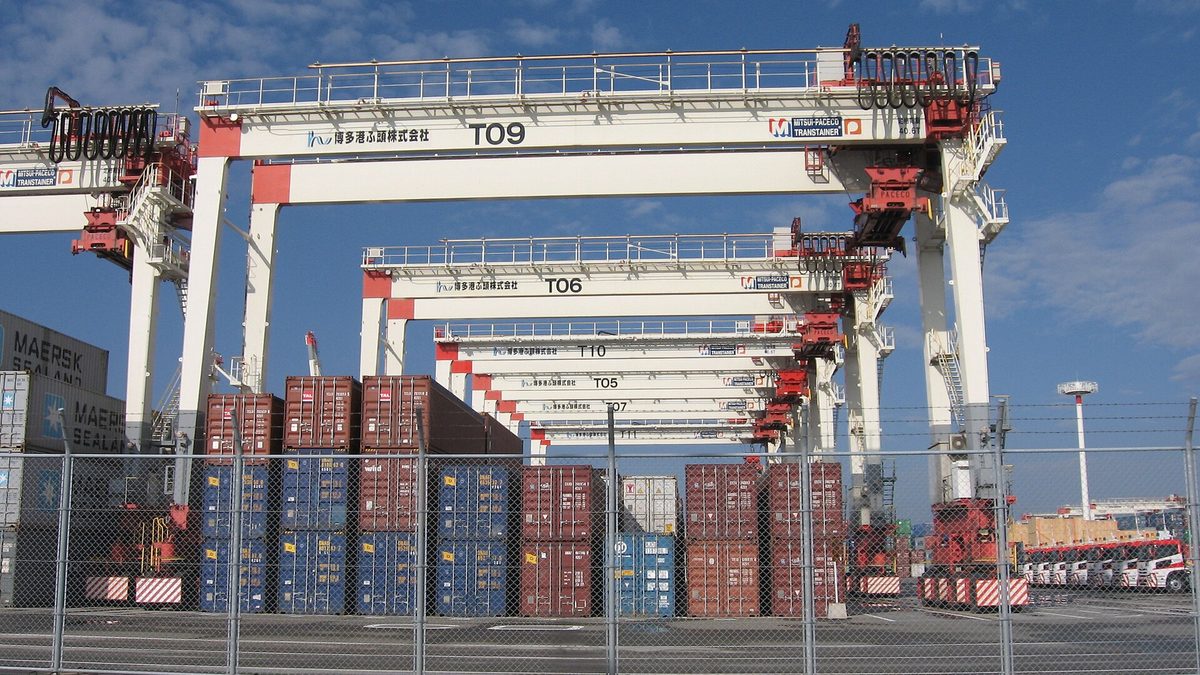
An import strategy that stops at the factory gate is only half-built. The goods still have to land, clear, and — if you are managing cash and duty carefully — sit in a status that does not trigger a tax event until the moment of sale. China's bonded zones and bonded warehouses are precisely that status: a place where imported goods can wait, duty- and VAT-suspended, while the market absorbs them. But the suspended status is a privilege with a clock on it, and the rules differ between a comprehensive bonded zone, a bonded warehouse, and the cross-border e-commerce model. Getting the category right is what turns inventory from a liability into a buffer.
The bonded-zone framework: GACC Decree No. 256
The governing instrument for comprehensive bonded zones (综合保税区) is the Measures of the General Administration of Customs on the Administration of Comprehensive Bonded Zones, GACC Decree No. 256, effective 1 April 2022. It replaced the older interim measures for bonded port areas (Decree No. 164) and bonded logistics parks (Decree No. 134), consolidating them into a single regime. Because customs measures are amended from time to time, the operative text of Decree No. 256 should be confirmed against the latest consolidated version before relying on a specific provision — but the framework it establishes is the baseline for anything you plan to do inside a zone.
What you can actually do inside a comprehensive bonded zone
A comprehensive bonded zone is not just a parking lot for containers. The permitted activities are broad and matter to business model design:
- R&D, processing, manufacturing and remanufacturing. Value can be added inside the zone without the goods first incurring duty.
- Inspection, testing and repair. Quality control and rework can happen in-bond before the goods enter the domestic market.
- Goods storage, logistics and distribution. The core warehousing use, with duty suspended.
- Cross-border e-commerce, commodity display and financial leasing. Including bonded e-commerce fulfilment and showrooms.
- International entrepot trade, transshipment and port operations. Re-export and consolidation flows.
- Futures bonded delivery. A niche but real use for commodities.
The exact list should be read against the current Decree No. 256 text rather than treated as a fixed catalogue, but the practical takeaway is that a zone supports far more than storage.
Bonded warehouses and the storage clock
Outside the comprehensive zones, a bonded warehouse operates under the Regulations of the PRC Customs on the Administration of Bonded Warehouses and the Goods Stored Therein, originally GACC Decree No. 105 (effective 1 February 2004) and most recently amended by GACC Decree No. 263 (effective 1 July 2023). The rule to plan around is the storage period: goods may be stored for one year, and an extension is possible with customs approval where justified, generally capped at a further year — so roughly two years in total, absent special circumstances. An extension application should be filed at least 10 days before expiry. Miss the clock and the goods face the consequences of overstaying their bonded status, so the renewal date belongs in the operating calendar, not in a filing drawer.
Cross-border e-commerce: the 1210 bonded model
For retail imports, the relevant customs supervision code is 1210 — bonded cross-border e-commerce (保税跨境贸易电子商务, "online-shopping bonded import"). Its policy basis is the joint notice 商财发〔2018〕486号 issued by MOFCOM and five other agencies. The flow works like this: goods are declared in bulk and stored in a special customs supervision zone or a bonded logistics centre (Type B); a consumer places an order; the order, payment and logistics "three documents" are cross-checked; and the parcel is then released for direct delivery to the consumer. For bonded e-commerce goods, the industry understanding is that the general one-year-plus-extension storage rule applies, subject to customs practice. The associated tax thresholds — a single-order limit of RMB 5,000 and an annual limit of RMB 26,000, with duty at 0% and VAT and consumption tax collected at 70% within those limits — come from policy documents that change, so treat them as subject to the latest official rules.
A practical sequence for the importer
- Decide the right instrument: comprehensive bonded zone, bonded warehouse, or 1210 bonded e-commerce — they are not interchangeable.
- Confirm the current consolidated text of GACC Decree No. 256 and Decree No. 263 before relying on a specific provision.
- Calendar the one-year storage period and file any extension at least 10 days before expiry.
- Match the activity to the permitted list — processing, display, repair and re-export each have their own conditions.
- For 1210, verify the current single-order and annual tax thresholds against the latest official rules.
The trap in China warehousing is treating "bonded" as indefinite. Duty suspension always has a clock and a category, and the cheapest fix is to pick the right instrument at the start rather than discover the storage deadline after the goods are already inside. Related reading: China's AEO Program for Importers.
Warehousing in China is a compliance decision before it is a logistics one. Choose the right bonded instrument, respect the storage clock, and keep the operative customs text current — and the time between landing and sale stops being a risk and becomes working capital.
Related articles

China's AEO Program for Importers
Authorized Economic Operator status cuts inspection rates and speeds clearance — here is how the application, grading and compliance obligations work.

China's Revised Company Law (2024): What Foreign Investors Need to Know
Five-year capital contribution, director duties and transition rules for existing FIEs — the Company Law changes that matter most to foreign investors.