Importing into China: A Step-by-Step Customs Clearance Guide
Customs clearance in China runs on HS classification, valuation, licenses and the single window. A step-by-step guide to getting goods released without penalties.
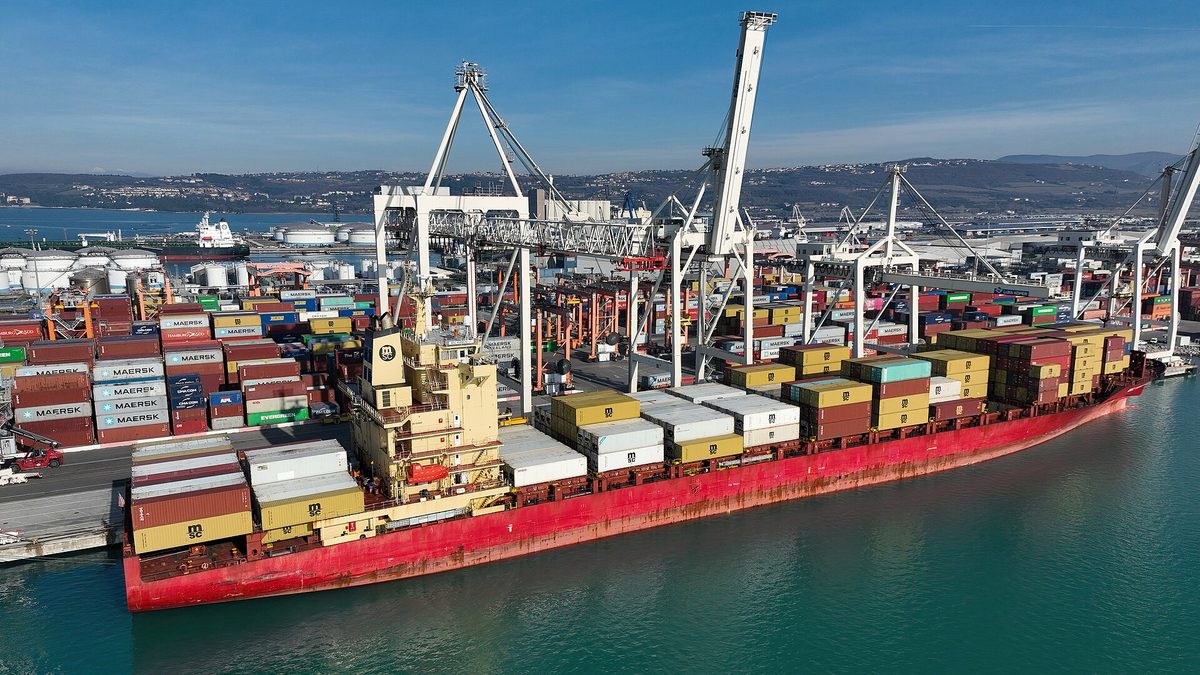
Importing into China is a sequence of decisions that have to be made correctly and in order: classification, valuation, licensing, declaration and payment. Each one feeds the next, and a mistake early in the chain surfaces later as a penalty, a detained shipment or a re-assessment. This guide walks through the chain and the law that now governs it.
The law in force: the Tariff Law and the Customs Law
Two statutes frame customs clearance. The Customs Law (海关法) is currently the 2021 amendment, effective 29 April 2021, though a comprehensive revision is in progress and not yet enacted. Alongside it, the Tariff Law (关税法), adopted on 26 April 2024 and effective 1 December 2024, is China's first dedicated customs-duty law, superseding the tariff-related chapters that previously sat in the Customs Law and the Import/Export Tariff Regulations. When in doubt, cite the Tariff Law for duty matters and the current Customs Law for procedure.
Step 1: get the HS classification right
Everything downstream depends on the HS code (商品名称及编码协调制度). The code drives the duty rate, the VAT treatment, whether a licence is needed and whether the goods are subject to inspection or consumption tax. Classification is done against the Import and Export Tariff Schedule, and the duty rate that applies is item-specific — most-favoured-nation, preferential or FTA, or tariff-quota — decided by the code and the origin of the goods. A wrong code is the most common cause of a customs dispute, so classify deliberately and keep the evidence of how the decision was made.
Step 2: valuation and the dutiable value
Duty is charged on the dutiable value (完税价格), which is generally the transaction value — the price actually paid or payable — adjusted for certain additions such as freight, insurance and assists. The customs valuation rules sit in the Tariff Law and the measures on determining the dutiable value of imported and exported goods. Under-declaring value is treated seriously; over-inclusive or missing additions are caught in post-clearance audits, so the declared value must match the commercial documents.
Step 3: licences, permits and the single window
Many goods need more than a declaration: import licences, product registration, quarantine permits or certificates of origin. Declarations are made through the China International Trade Single Window (中国国际贸易「单一窗口」), which links customs, inspection and the other agencies. The single window does not remove the requirement to hold the underlying permits; it just makes the filing itself faster.
Step 4: duties and taxes at the border
On top of customs duty, imports attract import VAT at a standard rate of 13%, with 9% applying to certain goods such as basic foodstuffs, books and agricultural products, and import consumption tax on specific categories such as tobacco, alcohol, automobiles and cosmetics. Duty and tax rates are HS-specific and revised annually, so the operative numbers come from the current year's tariff schedule and the latest GACC announcements rather than from memory.
Step 5: record-keeping and post-clearance risk
Clearance is not the end. Customs can audit entries after release and re-assess duty where classification, valuation or origin was wrong, and repeated or serious errors can escalate from a fine to a criminal case for evasion. Keep the contracts, invoices, freight documents and classification rationale for the retention period, and treat a customs query as a matter to answer promptly and accurately.
Run the classification and valuation questions before you buy, not after the goods arrive. Duty and tax rates are item-specific and change annually — confirm against the current tariff schedule and GACC notices. Related reading: China Customs Valuation and Import Duties.
Customs clearance rewards preparation. Classify correctly, value honestly, hold the permits and pay on the declared basis, and the border becomes a process rather than a gamble.
Related articles
China Customs Valuation: How Import Duties Are Really Calculated
The invoice price is only the starting point. China assesses import duty on a CIF-based customs value that can pull in freight, insurance, assists and even royalties — here is how the value is built.

China Import Contracts: Key Clauses to Protect Your Deal
Most import disputes are not about a supplier who disappeared — they are about a contract that never said who bears the risk when the goods are damaged, late, or wrong. These are the clauses that actually decide the outcome.