China Business Insurance: What Coverage a Foreign Company Actually Needs
A foreign company in China has one layer of insurance that is mandatory — social insurance for its staff — and a second layer of commercial coverage that is optional but usually a mistake to skip. What each covers, what the law requires, and how to buy it.

Insurance is one of the last things a foreign company thinks about when it enters China, and one of the first things that saves it when something goes wrong. The practical question is not "should we have insurance" but "which layer is mandatory, and which layer is actually worth buying." China splits the answer into two clean parts: statutory social insurance for employees, and commercial coverage for the business itself. Most foreign companies understand the first and under-buy the second.
The mandatory layer: social insurance for your staff
The one insurance a foreign employer cannot skip is the statutory social insurance system — the five insurances plus the housing fund, commonly called 五险一金. It covers pension, medical, work-related injury, unemployment and maternity insurance, plus a housing provident fund. Registration is triggered as soon as a company hires, and contributions are calculated on a statutory base and split between employer and employee. The contribution rates vary by city, so the numbers for a Shanghai office differ from a Shenzhen one. The details of the scheme are covered in China Social Insurance and Employee Benefits: A Guide for Foreign Employers. The point to internalize here is that social insurance is not optional and it does not protect the company — it protects the workforce.
The commercial layer that protects the company
Social insurance leaves the company itself exposed. The commercial policies a foreign company should evaluate are:
- Public and product liability — for a manufacturer or importer, this is the single most important policy. A product defect in China can trigger recall and compensation claims, and the exposure runs alongside, not instead of, the recall obligations described in China Product Recall Procedures for Foreign Brands: What to Do When a Product Fails.
- Property and business interruption — covering the office, plant, equipment and stock, and the income lost when a fire or flood stops the business.
- Employer's liability — a top-up to work-injury insurance for claims that exceed the statutory cover.
- Directors' and officers' (D&O) liability — increasingly relevant under China's 2024 Company Law, which has expanded the personal exposure of directors and senior managers.
What China's insurance law actually requires
China's Insurance Law governs the commercial side. Foreign companies can buy from a licensed domestic insurer, and many global brokers operate in China through licensed arrangements. Two practical points matter. First, a policy written only in the parent company's home market usually does not extend cleanly to a China subsidiary — the China entity should hold its own local policies. Second, the policy language, the named insured and the claims forum all matter when a claim arises; a policy that is cheap but unenforceable in the local courts is not insurance, it is a premium spent on nothing.
Building the coverage you actually need
- Start from the statutory layer: confirm social insurance and housing fund registration and contribution bases are set up correctly from day one.
- Map the real risks: what does the business make, import, store and sell, and what happens when it fails.
- Buy the commercial layer against those risks, in the China entity's own name, with a licensed insurer.
- Review annually — the exposure changes as the business adds products, staff and locations, and so should the coverage.
Insurance products, social insurance contribution rates and the liability rules behind them change over time, and this content is general information rather than insurance or legal advice. For a specific policy or a specific claim, work with a licensed broker and counsel who know the local market.
China's insurance question is really a risk-management question wearing a compliance label. The mandatory layer keeps the company legal; the commercial layer keeps it solvent when a product fails, a plant floods or a director is sued. The foreign company that buys the second layer early, in its own name, is the one that survives the first claim instead of learning from it.
Related articles
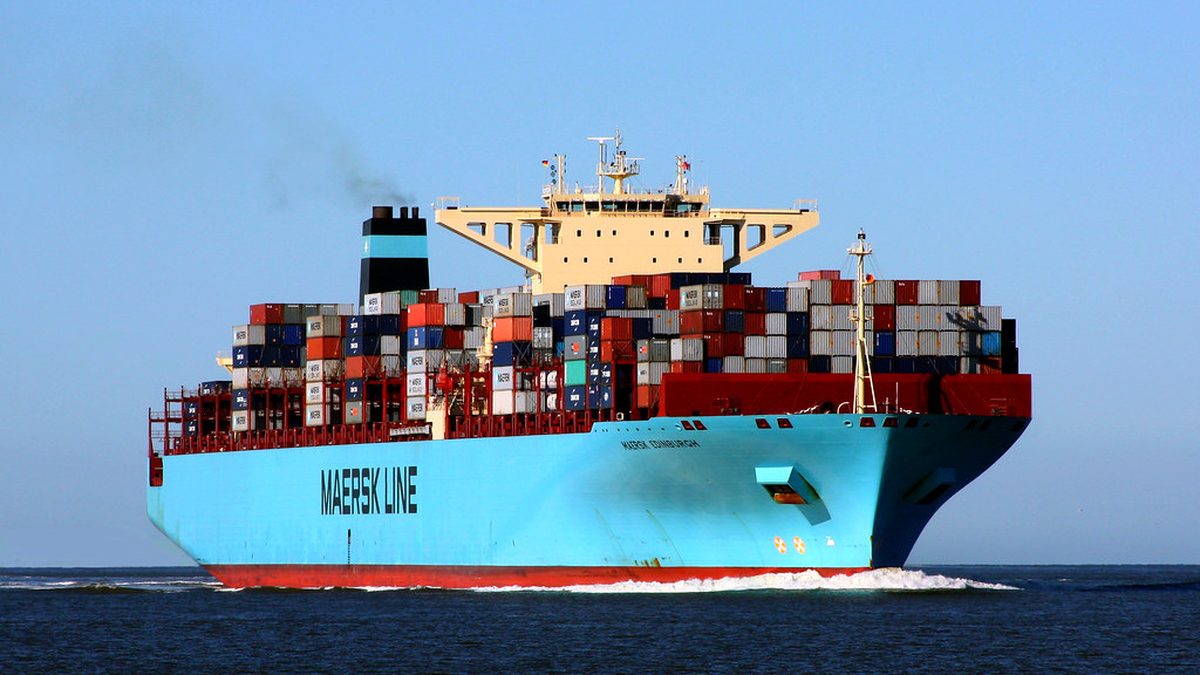
Manufacturing in China for Export: Processing Trade, Duty Drawback and Re-Export Compliance
Foreign manufacturers producing in China for export can cut duties through processing trade and duty drawback — but the customs supervision is strict. How the bonded manuals work, what triggers a customs audit, and how to stay compliant.

China PIPL Compliance Checklist: Personal Information Protection for Foreign Companies
China's Personal Information Protection Law reaches any foreign company processing the data of individuals in China. A practical checklist — legal bases, consent, sensitive data, cross-border transfer, the data officer and breach duties.
China Product Recall Procedures for Foreign Brands: What to Do When a Product Fails
A defective product in China is not just a refund — it can trigger a mandatory recall by the market regulator. How China's recall system works, the producer's and importer's obligations, and the steps to take when a product fails.