China's Carbon Market and ETS: Compliance for Foreign-Invested Manufacturers
China's national emissions trading scheme started with power and is widening to steel, cement and aluminium — and it covers a factory by its emissions, not by its ownership. How the ETS works, who is caught, and what a foreign-invested manufacturer must do to monitor, report, verify and surrender allowances.
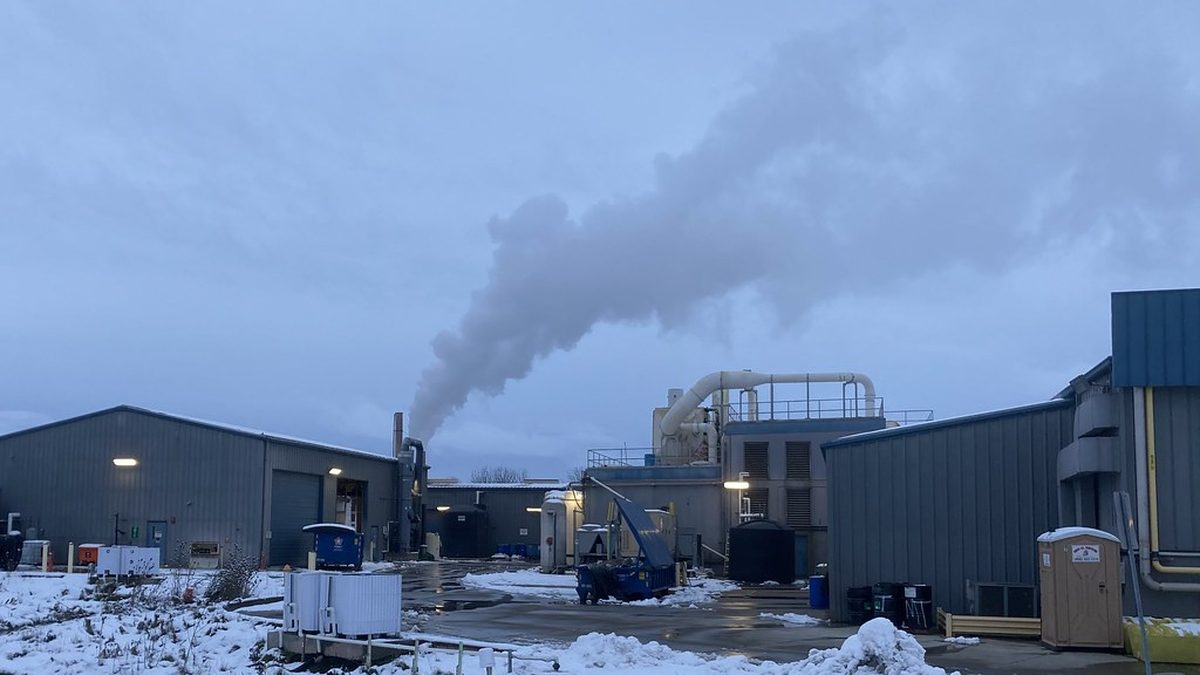
Carbon compliance in China is now a real operating obligation for manufacturers, not a public-relations topic. China launched its national emissions trading scheme (ETS) in July 2021 in the power sector, and in 2025 it expanded into steel, cement and aluminium smelting — the heavy-emitting industries where many foreign-invested manufacturers operate. The decisive point for a foreign company is simple: the ETS follows the facility and its emissions, not the ownership. A wholly foreign-owned steel or cement plant that meets the threshold is inside the scheme on the same terms as a state-owned one.
How the national ETS works
The statutory basis is the Interim Regulations on the Administration of Carbon Emission Trading (State Council Order No. 775, effective 1 May 2024). The national ETS is a cap-and-trade system for carbon dioxide emissions. The regulator sets, per covered installation, an emissions allowance based largely on benchmarks — output-linked intensity standards — rather than a fixed grandfathering of historical emissions. At the end of each compliance period, a covered entity must surrender allowances equal to its verified emissions. Where it has a surplus it may carry it forward or, within the rules, trade it; where it is short it must buy allowances on the market or face penalties. The design rewards efficient facilities and pushes the least efficient ones to pay.
Who is caught: the threshold and the expansion
The scheme started in the power sector, covering coal- and gas-fired generators above an annual-emissions threshold of roughly 26,000 tonnes of CO₂ equivalent per year. In March 2025 the Ministry of Ecology and Environment (MEE) issued the work plan extending the national market to steel, cement and aluminium smelting, and those sectors have now been brought into the covered list. Coverage is decided by a national list of key emitting units, driven by emissions rather than ownership: a foreign-owned steel, cement or aluminium plant above the threshold is in the scheme on the same terms as a state-owned one, subject to the current annual list. The precise scope, benchmarks and compliance dates should be confirmed against the latest MEE notices, but a foreign facility should assume it is, or soon will be, within scope if it operates in a covered industry.
MRV: monitoring, reporting and verification
The day-to-day burden is the MRV cycle. A covered entity must monitor its emissions using an approved plan, report them each year in a prescribed format, and have the report verified by an accredited third-party verifier before surrender. The monitoring plan matters more than the annual report, because an inadequate plan produces emissions data that fails verification and must be redone. For a foreign manufacturer the practical point is resourcing: the plant needs someone who owns the emissions accounting, the activity data and the fuel and material flows, in the same way it owns financial accounting.
CCER and the offsets lane
China also operates a voluntary offset market through China Certified Emission Reductions (CCER). The CCER scheme was relaunched in 2024 after a pause, with a narrower set of eligible project types and stricter additionality rules. In principle a covered entity can use CCERs to meet a limited share of its compliance obligation — the offset cap has been set at 5% of the allowances to be surrendered, subject to the current rules on eligible projects and the percentage cap. For a manufacturer the offset lane is a cost-management tool, not an escape from the core obligation to measure and reduce.
A compliance checklist for foreign manufacturers
- Confirm whether your sector and facility are covered, and under which benchmark, using the current MEE rules.
- Put a monitoring plan in place before the reporting year, not after.
- Assign internal ownership of emissions data and activity data.
- Use an accredited verifier and calendar the verification and surrender deadlines.
- Model your allowance position early so a shortfall becomes a planned purchase, not a compliance scramble.
The ETS rewards the facility that measures well. The companies that struggle are not the most carbon-intensive — they are the ones that treat emissions data as an afterthought and miss the verification deadline. Confirm your coverage and benchmark against the current MEE notices, and keep the monitoring plan current. This article is general information and not legal or compliance advice.
For a foreign-invested manufacturer, China's carbon market is becoming as routine an obligation as environmental permits and safety production. Coverage is widening, allowances are tightening, and the cheapest compliance strategy is the one that starts with an accurate monitoring plan and an internal owner for the numbers.
Related articles

Accepting Payments in China: WeChat Pay, Alipay and Cross-Border Collection for Foreign Merchants
Selling to Chinese consumers means accepting how they actually pay — WeChat Pay and Alipay — but a foreign merchant cannot simply open a merchant account from abroad. How China's payment rules work, and the practical routes to get paid.
China Automotive and NEV Market Entry: Foreign Investment, Homologation and Type Approval
China is the world's largest vehicle market and the center of NEV production, and foreign ownership of car manufacturing is now fully open. What it takes to enter: the entity, the MIIT catalogue, CCC certification and the emissions and battery standards.

China Chemical Regulation: New Chemical Substance Registration and Compliance for Importers
Any chemical substance not on China's IECSC inventory is a 'new chemical substance' and must be registered before import. The rules changed in October 2026 — here is how the current MEE regime works, the three tonnage tiers, and what a foreign exporter must arrange.