China Automotive and NEV Market Entry: Foreign Investment, Homologation and Type Approval
China is the world's largest vehicle market and the center of NEV production, and foreign ownership of car manufacturing is now fully open. What it takes to enter: the entity, the MIIT catalogue, CCC certification and the emissions and battery standards.
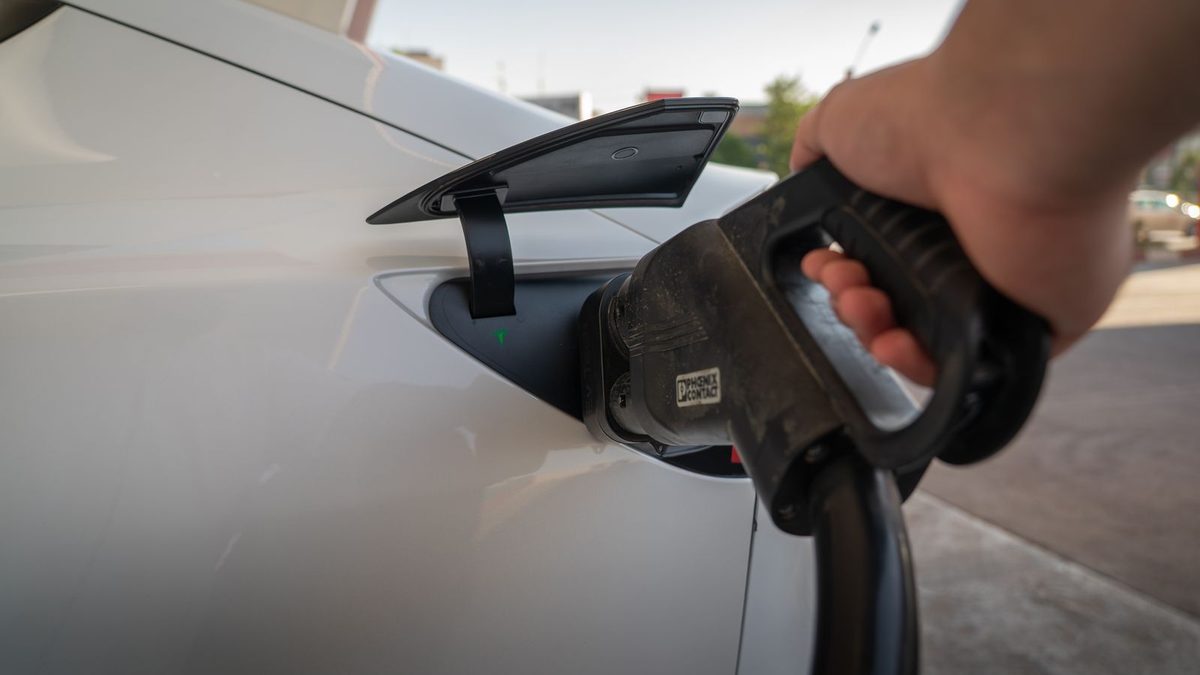
China is the largest automobile market in the world and the undisputed center of new-energy-vehicle production, which makes it a market foreign vehicle makers and suppliers cannot ignore. The good news is that the ownership rules are now open: the old 50% cap on passenger-car joint ventures is gone, and a foreign investor can own a manufacturing operation outright. The harder part is everything that comes after the entity — the type-approval and certification stack that decides whether a vehicle can actually be built and sold in China.
Foreign investment: the cap is gone, the negative list still matters
China removed the 50% foreign-ownership cap on passenger-car manufacturing, and commercial-vehicle and NEV manufacturing were liberalized earlier. A foreign manufacturer can now hold 100% of a China vehicle-making operation. What remains is the general market-access overlay: the Special Administrative Measures for Foreign Investment Access (Negative List), which still lists a handful of restricted sectors, so the exact structure should be checked against the current edition — see China's FDI Negative List Explained. The practical takeaway is that the constraint on a foreign entrant today is not ownership, it is product approval and capital intensity.
Homologation: the MIIT catalogue and the CCC certificate
A vehicle made or sold in China must pass two linked gates. First, type approval under the Ministry of Industry and Information Technology: a vehicle model must be listed in the road motor vehicle manufacturers and products catalogue (the "公告" system) before it can be produced, registered and sold. Second, the whole vehicle must hold CCC certification (China Compulsory Certification) for the automotive product category. The CCC system is the same conformity regime that applies to imported electronics and industrial products — see China CCC Certification: Mandatory Product Standards for Imported Goods — but for vehicles it is applied at the whole-vehicle level on top of the component-level standards.
Standards: GB standards, emissions and NEV batteries
Vehicle approval is built on China's mandatory national standards (GB standards). A conventional vehicle must meet the current emissions standards — the China VI standards for new vehicles — and a NEV must additionally meet the dedicated battery, motor and controller standards, including battery safety requirements that grew out of the early NEV fire incidents. The labelling and documentation obligations sit on top of the technical standards, and the same discipline described in China Product Labelling and GB Standards applies to the vehicle and its parts. The exact standard numbers and test methods change as the regulations tighten, so the current catalogue must be confirmed at the time of filing.
Imported vehicles vs local production
The routes differ. An importer of finished vehicles must clear CCC certification, customs inspection and the standards for the import channel, and must work through an authorized importer and dealer structure. A local manufacturer must clear the MIIT catalogue, CCC and the full production licensing stack. The import route is faster to start and lower in capital, but it carries per-unit certification and tariff costs and does not access the local-content incentives; local production is capital-heavy but is the only route to volume. Many foreign brands start with import and move to local production as volume justifies it.
The practical checklist
- Confirm the current negative-list position and choose the entity structure (WFOE or joint venture).
- Map the MIIT catalogue application and the CCC whole-vehicle certification as parallel workstreams.
- Confirm the current emissions and NEV battery and safety standards that apply to your vehicle class.
- Decide import vs local production, and price the certification, tariff and incentive difference.
- Plan the after-sales, recall and data-compliance obligations that come with selling vehicles in China.
Vehicle regulation in China changes quickly — emissions stages, NEV battery safety and data rules are all moving targets. This content is general information, not legal or regulatory advice. Confirm the current catalogue, standards and negative list with the authorities and qualified counsel before committing capital.
Entering China's automotive market is now a product-approval exercise more than an ownership exercise. The ownership door is open; the work is in the catalogue, the certification and the standards. The foreign maker that treats homologation as a first-class workstream, not an afterthought, is the one that gets a vehicle on the road rather than a model stuck in filing.
Related articles

China Business Insurance: What Coverage a Foreign Company Actually Needs
A foreign company in China has one layer of insurance that is mandatory — social insurance for its staff — and a second layer of commercial coverage that is optional but usually a mistake to skip. What each covers, what the law requires, and how to buy it.

China Secondment and Intra-Group Transfers: Work Permits, PE Risk and Compliance
Seconding a foreign executive or specialist into a China entity looks like a simple staffing move, but it touches work permits, individual income tax, social insurance and permanent-establishment risk. How to structure a secondment that holds up.

Outsourcing to China: How to Contract with Chinese Service Vendors
Outsourcing software development, back-office work or marketing to a Chinese vendor saves money only if the contract gets three things right: scope, intellectual-property ownership and data protection. What to negotiate and what to avoid.