China Customs Audit and Post-Clearance Compliance: A Guide for Importers
Chinese customs can audit importers for three years after release. How the audit is opened, what records to keep, the voluntary-disclosure route under Announcement No. 194 of 2025, and the Tariff Law's back-tax rules.
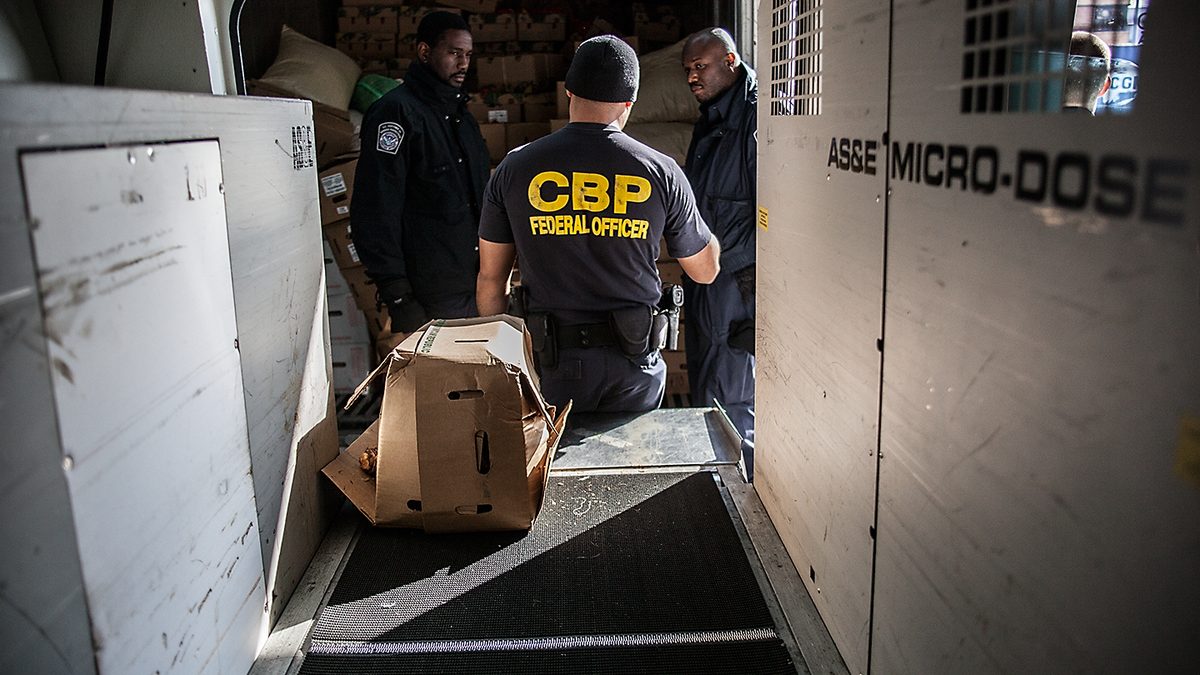
Most importers experience Chinese customs only at the border — declaration, duty, release. The post-clearance audit (稽查) is where the relationship continues: customs can reopen the books after the goods have gone. A foreign importer that treats clearance as the finish line, rather than the start of a record-keeping obligation, is building a problem for the next three years.
The legal frame: the Customs Audit Regulations
The governing instrument is the Regulations on Customs Audit (中华人民共和国海关稽查条例), first issued in 1997 by State Council Order No. 209, revised in 2016 by Order No. 670 (published 19 June 2016, effective 1 October 2016) and amended again in 2022 by Order No. 752 (effective 1 May 2022). The audit is a post-clearance supervision tool, and the operative text should be read in its 2022 version. The auditable population is the six categories of enterprises and entities directly connected to import and export: foreign-trade enterprises, processing-trade enterprises, bonded operators, users of duty-reduced or exempt goods, customs brokers, and other entities designated by the General Administration of Customs.
The audit window: three years
The window matters more than anything else. Customs may audit an importer within three years from the release of the goods; for bonded or duty-reduced goods, the period runs through the customs supervision period and for three years after it ends. In other words, an importer should assume its declarations and records can be examined for at least three years after the goods clear. The corresponding record-keeping obligation matches that window: customs declarations, import and export documents, contracts and other materials directly related to the import and export business must be kept for the same three-year period — while accounting books and vouchers follow the Accounting Law's own, longer retention rules.
How an audit is opened
Customs must generally give the auditee three days' written notice before starting. There is an exception for a "direct audit" without prior notice, but it is narrow: there must be a suspicion of a major violation plus a risk that books, records or goods will be transferred, concealed or destroyed, and the direct audit must be approved by the head of a directly subordinate customs district or an authorised head of its subordinate customs. If a company receives a three-day notice letter, the audit is routine; if customs arrive without one, the company should immediately take the matter seriously and bring in counsel.
The voluntary-disclosure route
China runs a self-disclosure (主动披露) regime that rewards importers who come forward before customs finds the problem. The current rule is General Administration of Customs Announcement No. 194 of 2025, effective from 11 October 2025 through 30 June 2027, which replaced the earlier 2023 rule. Where a company discloses and corrects a violation before customs discovers it, eight categories of conduct attract no administrative penalty, late-payment surcharges can be reduced or waived, and a warning or a fine of up to 1 million RMB is not recorded in the enterprise's credit record; an AEO-certified enterprise generally stays on its management measures during an investigation. Two limits to note: a second disclosure of the same kind of violation within twelve months does not benefit, and the relief turns on coming forward before customs acts. Timing is the entire game.
The Tariff Law and back-tax
The enforcement outcome of an audit usually runs through the Tariff Law (中华人民共和国关税法), adopted on 26 April 2024 and effective on 1 December 2024, which raised the old tariff rules to statutory level and superseded the Regulations on Import and Export Duties. Where a violation caused an under-collection of duty, customs may recover the duty within three years and add a late-payment surcharge of 0.05% per day; for smuggling, the recovery is not time-barred. In other words, the three-year audit window and the three-year back-tax rule run together, and smuggling removes the limit entirely.
A post-clearance compliance checklist
- Keep customs declarations, contracts and import documents for at least three years after release — longer for bonded or duty-reduced goods.
- Assume every declaration is examinable for three years, and keep the books to match the declarations.
- Treat a direct audit without notice as an emergency, and check the authorisation behind it.
- If a mistake is discovered, weigh voluntary disclosure under Announcement No. 194 of 2025 before customs finds it — and note the twelve-month repeat-disclosure limit.
- Model back-tax under the Tariff Law: three-year recovery plus 0.05% daily surcharge, unlimited for smuggling.
The recurring mistake is assuming the file can be closed once the goods are released. Customs keeps a three-year window, and voluntary disclosure under Announcement No. 194 of 2025 only works before customs discovers the issue. Related reading: China customs and import compliance: a practical guide, and China's AEO program for importers: benefits and how to qualify.
Post-clearance compliance is the part of importing that no one budgets for and everyone needs. An importer that keeps three years of clean, matching records — and knows how to use the voluntary-disclosure route — faces a materially different outcome when the audit letter arrives.
Related articles
China Customs and Import Compliance: A Practical Guide
Tariffs, classification, valuation and the compliance duties that attach at the border — what an importer into China must get right at clearance.
China's AEO Program for Importers: Benefits and How to Qualify
Authorized Economic Operator status buys faster clearance and fewer inspections. Here is what it takes to qualify and how it changes your compliance posture.