China Customs, Tariffs and Import Compliance
Classification, valuation, origin and the paperwork that keeps your goods moving through China customs without costly delays or penalties.
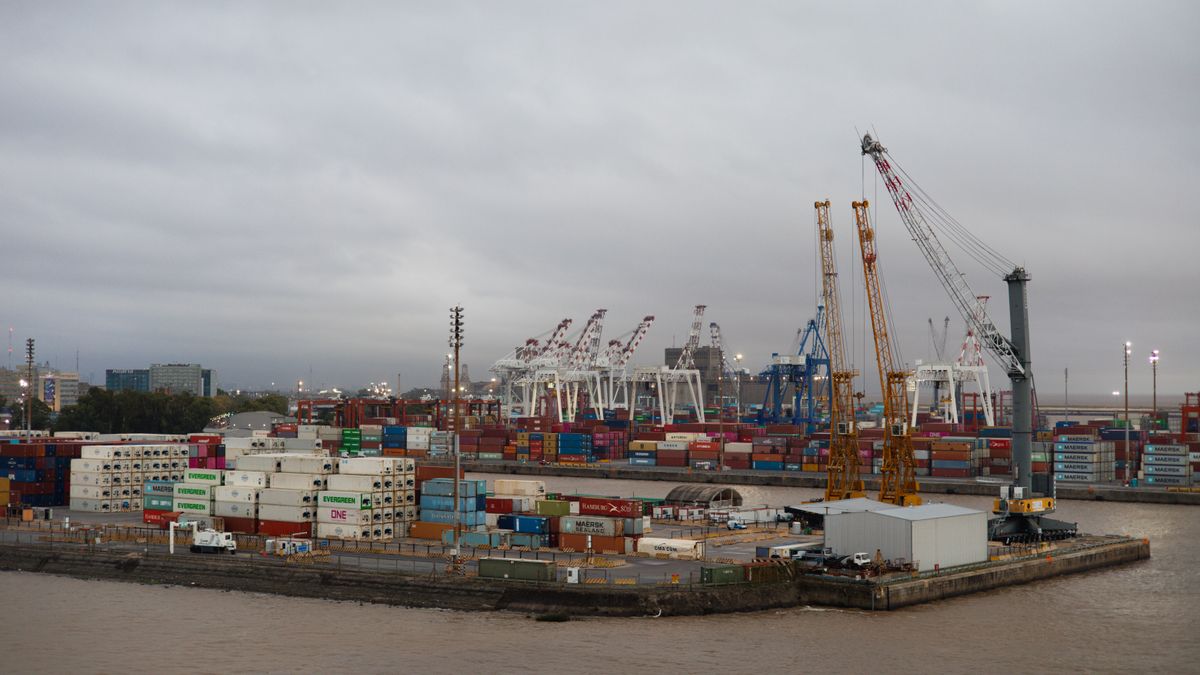
For importers, China customs is where compliance mistakes become expensive fast: misclassification, undervaluation or missing certificates can trigger back-duty, fines, and even seizure of goods. A basic understanding of the key obligations pays for itself.
The three pillars
- Classification: the HS code determines the duty rate and any license requirements;
- Valuation: customs value follows WTO rules — understating it to lower duty is a serious violation;
- Origin: rules of origin determine whether preferential tariff rates apply under an FTA.
Documentation that must be right
Typical imports require the commercial invoice, packing list, bill of lading, contract, and often certificates of origin, inspection or specific product licenses. Discrepancies between documents — or between documents and the actual goods — are a common trigger for customs holds.
Common pitfalls
- Using an HS code by guesswork rather than a binding ruling;
- Under-declaring value or quantity to reduce duty;
- Importing goods that require licenses without first obtaining them;
- Ignoring the import compliance of your agent or freight forwarder.
Engage a licensed customs broker and keep a complete, consistent document set. If classification is uncertain, seek a pre-ruling from customs rather than risking an audit later.
Customs compliance is not glamorous, but it is predictable — and predictability is exactly what keeps your supply chain moving. A little diligence on the front end prevents costly holds on the back end.
Related articles

How to Verify a Chinese Supplier Before You Pay
A repeatable framework for checking a Chinese supplier’s identity, credit and track record using official records — before you send a single dollar.

Key Clauses in a China Sales or Purchase Contract
The clauses that matter most when contracting with a Chinese counterparty: specification, price, delivery, quality, title and dispute resolution.