China Cross-Border Cash Pooling and FT Accounts for Multinationals
A China cash pool lets a multinational sweep renminbi and foreign currency between its China entities and its overseas treasury — but the structures are ring-fenced by SAFE. The schemes, the FT-account layer, and what it takes to qualify.

Once a multinational has several China entities, its treasury team starts asking the same question: can we move idle renminbi out of one subsidiary to fund another, and sweep the surplus back to headquarters? The short answer is yes — through cross-border cash pooling — but only inside structures approved under China's foreign-exchange rules, and the room to move is deliberately ring-fenced. This guide explains the schemes, the FT-account layer, and the compliance lines that keep a pool from becoming a violation.
What cross-border cash pooling actually is
Cross-border cash pooling lets a group of related companies concentrate and move liquidity across the China border under a single framework with a bank, instead of handling every transfer as a separate, individually-approved cross-border payment. The two dominant models are the integrated (本外币一体化) cash pool, which handles both foreign currency and renminbi, and the centralised (跨境双向人民币资金池) renminbi pool, which concentrates RMB. Each has its own net inflow and outflow quotas, membership rules and bank requirements, and both are operated through a lead bank, usually the group's principal bank in China.
The SAFE integrated and centralised schemes
China's State Administration of Foreign Exchange (SAFE) has progressively consolidated cash pooling into a unified integrated scheme, allowing eligible multinationals to pool foreign currency and RMB together with a single quota based on the pool's owner's equity. Alongside it, the cross-border RMB centralised pool remains available for groups that only need renminbi. Eligibility is not automatic: the group must be a genuine multinational with real operations, the participating members must be related companies with actual business, and the quotas are calculated from audited owner's equity, not invented demand. The lead bank applies to the local SAFE office on the group's behalf, and the approved quota governs how much can be swept across the border in each direction.
FT accounts and the free-trade-zone layer
Inside China's pilot free trade zones, a separate account type — the free trade (FT) account — adds a second layer. FT accounts are opened with banks in the zones and offer more flexible conversion between RMB and foreign currency at market-based rates, plus streamlined movement between the FT account and the group's overseas accounts. For a group whose China treasury sits in a free trade zone, an FT-account cash pool can be the cleanest structure: it concentrates liquidity inside the zone and moves funds abroad under the zone's rules. FT accounts are selective — the bank and the business must both qualify — and the arrangements differ by zone, so confirm the current rules for the specific zone where you operate.
What you need to qualify
- A real multinational group — the pool is for related companies with genuine operations, not a shell for moving money.
- An eligible lead entity and lead bank — one China member acts as the lead, and the scheme runs through the lead bank's application.
- Audited financials — the quota is anchored to the group's owner's equity, so clean, current accounts matter.
- Compliance history — foreign-exchange and tax violations in the group can block or narrow the quota.
- A clear treasury purpose — the pool must serve real liquidity management, not disguised capital flight or undocumented intercompany lending.
The compliance lines not to cross
A cash pool is a supervised facility, not a blank cheque. The recurring problems are: sweeping funds for a member that is not genuinely related or operational; treating the pool as a way to lend across the border without the required documentation; breaching the net inflow or outflow quota; and using the pool to mask what is, in substance, a capital-account transfer that should be registered separately. The consequence is usually a SAFE rectification order, a quota suspension, and a compliance record that follows the group into its next application. Keep the pool's purpose documented, the membership real, and the quotas monitored monthly.
Before building a China cash pool, map your entities and your real liquidity flows, then ask the lead bank whether the integrated scheme or an FT-account pool fits. The quota is anchored to audited equity, so the quality of your books is the ceiling on the structure. This content is general information and not legal advice.
Cash pooling is one of the tools that changes the entity-location decision. For whether a free trade zone changes your structure, see China Free Trade Zone vs WFOE; and for the foreign-exchange baseline every China entity must hold, read China SAFE Registration and Foreign Exchange Compliance.
Related articles
China Free Trade Zone vs WFOE: Where to Register Your China Entity
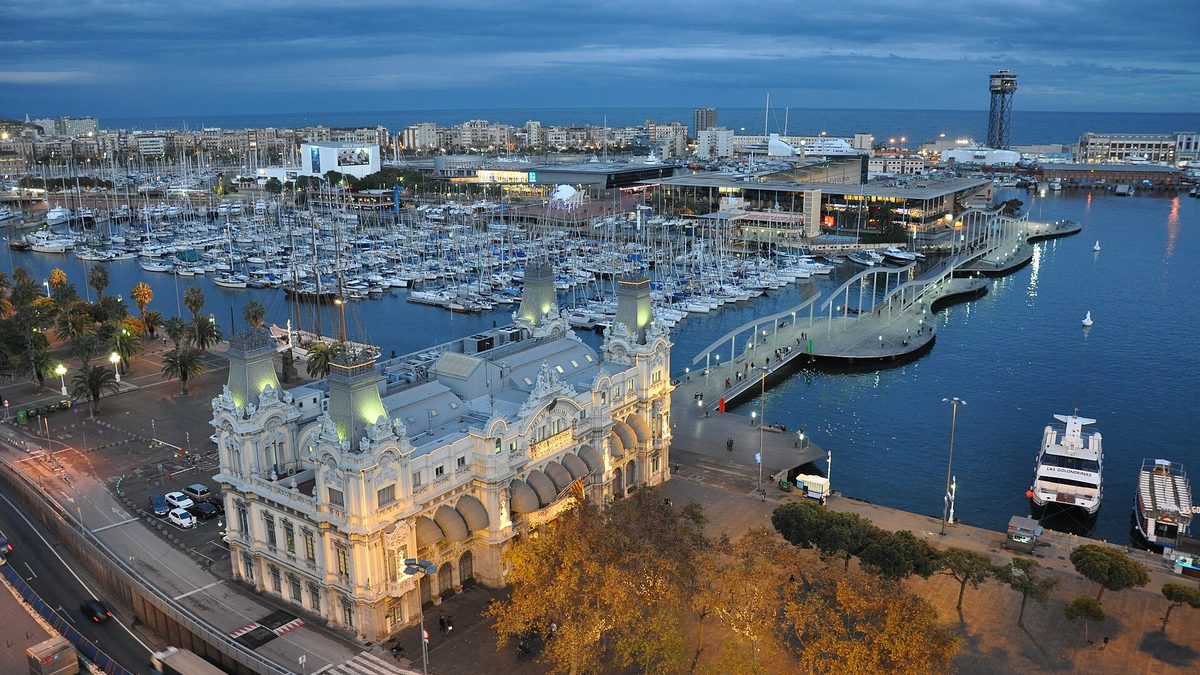
Registering a WFOE inside a China pilot free trade zone changes more than the address: it can shorten the negative list, simplify customs, and open capital-account tools a standard WFOE does not get. Here is how to decide.
China Import Border Inspection and Quarantine (CIQ): What Your Shipment Faces at Customs
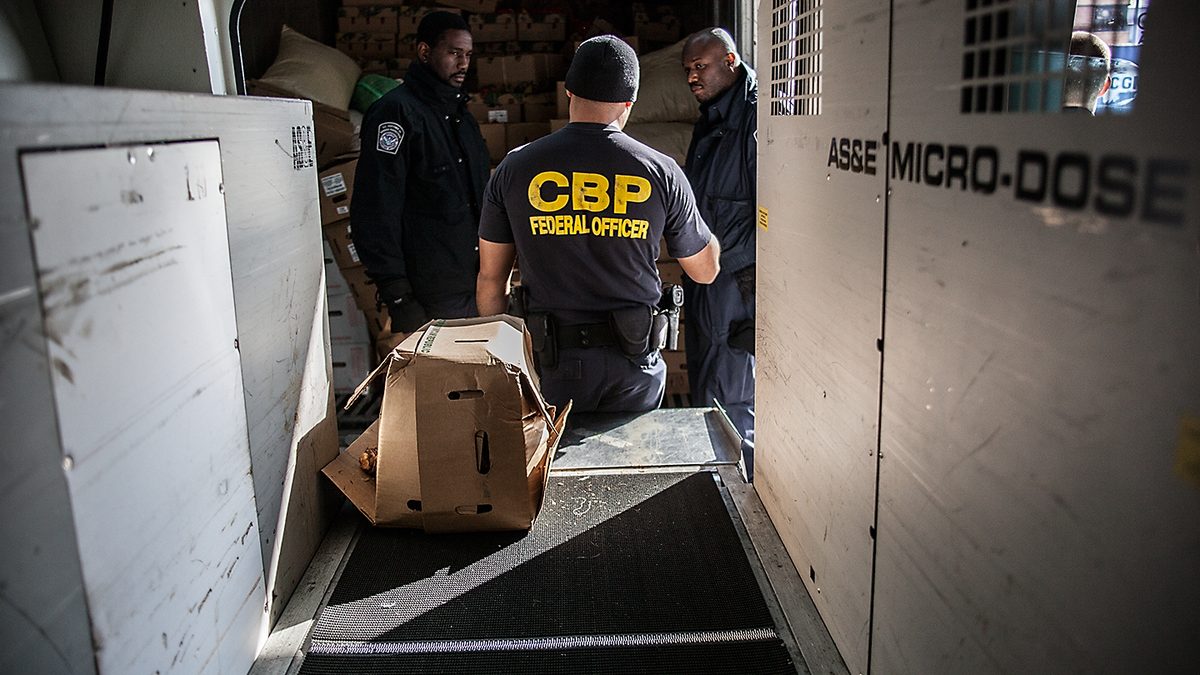
China's border inspection and quarantine regime sits on top of customs duty: statutory commodity inspection, animal and plant quarantine, and food-safety registration of the overseas manufacturer. Here is what your shipment must clear, in the right order.

China Trademark License Recordal: Why Filing the License with CNIPA Matters
A trademark licence in China is valid between the parties when signed — but without CNIPA recordal it cannot be asserted against a bona fide third party. The licence types, the filing process, and why recordal matters for royalties and customs.