China Import Licensing and Product Registration: CCC, Food and Cosmetics
Before your goods enter China, many products need a license or registration: CCC certification, food-producer registration and cosmetics filing. What each one covers and how to check.
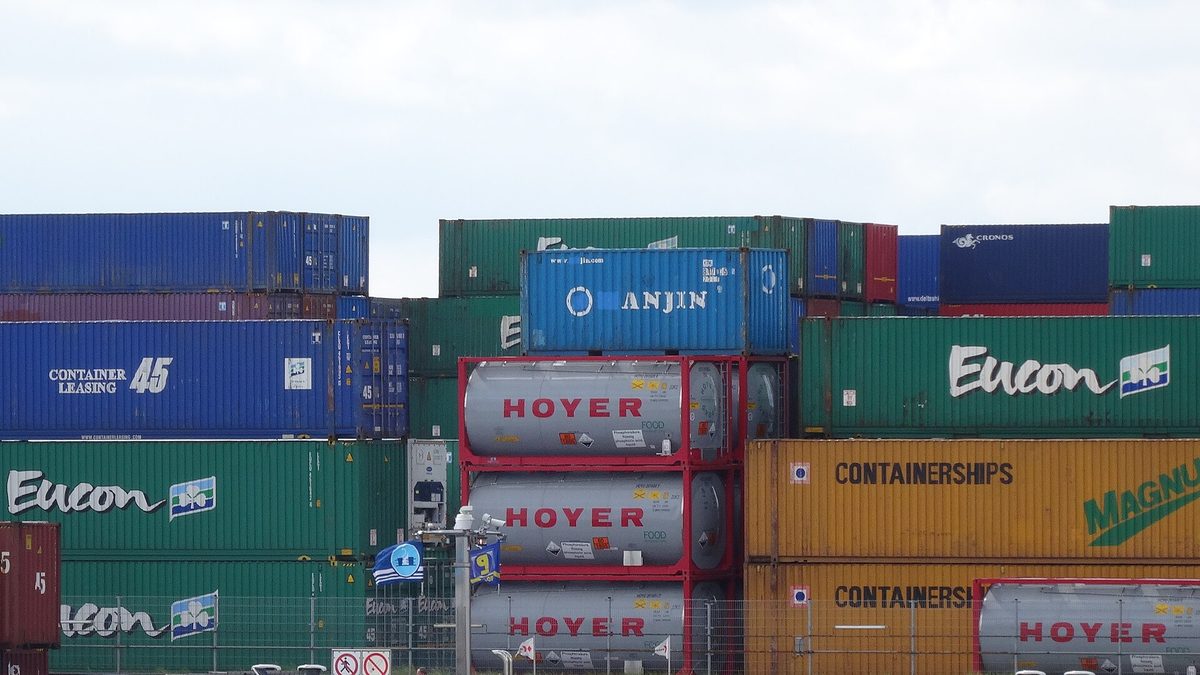
Customs clearance is only part of getting goods into China. Depending on the product, you may first need a certification, a registration or a filing with a Chinese regulator — and without it, the goods can be held at the border. Here are the three regimes foreign sellers most often run into.
CCC: the mandatory product certification
CCC (China Compulsory Certification) is a mandatory mark for certain categories of goods sold in China — electrical and electronic products, some vehicle and safety products, fire-protection equipment and others. It is administered by the certification regulator (CNCA) under SAMR, and certificates are issued by designated bodies.
- Check whether your product is in the CCC catalogue before shipping — the catalogue is updated periodically;
- A CCC certificate is tied to a specific product and model, not to a company as a whole;
- Verify the certificate number in the official CCC query system; certificates can be suspended or revoked.
If your goods require CCC and you have no certificate, they can be stopped at the border or refused for sale. Confirm the current catalogue for your exact product category.
Food: register the overseas producer
Food imports are governed by GACC's registration and inspection rules. Overseas food manufacturers and exporters must register with China Customs (GACC) before their products can be imported. The registration is product-category-specific and is a hard gate — unregistered producers cannot legally ship food into China.
- Confirm the overseas facility's GACC registration covers your product category;
- Keep the registration number and category code in your import documentation;
- Note that import filings and quarantine requirements apply on top of producer registration.
Cosmetics: notification versus registration
Since the Cosmetic Supervision and Administration Regulation took effect on January 1, 2021, cosmetics are split into two tiers:
- Ordinary cosmetics — filing (notification) with the NMPA; simpler, no pre-market approval;
- Special cosmetics (such as hair dyes, sunscreen, whitening) — full registration, a heavier approval process.
An overseas cosmetic brand must also appoint a domestic responsible person in China to handle the filing or registration and product-safety obligations. Selling cosmetics without the right filing or registration — or without a responsible person — is a common cause of border holds and market-access failures.
Map the exact HS code and regulatory category for your product before you book freight. "Certification", "registration" and "filing" are different processes with different timelines — and the requirements change as catalogues and rules are updated, so always verify against the latest official notices.
Product licensing is the part of China entry that is easy to overlook until a container is held at the port. Checking the CCC catalogue, the GACC food registration and the cosmetics filing rules early will save you weeks — and a lot of money.
Related articles
China Customs, Tariffs and Import Compliance
Classification, valuation, origin and the paperwork that keeps your goods moving through China customs without costly delays or penalties.

Key Clauses in a China Sales or Purchase Contract
The clauses that matter most when contracting with a Chinese counterparty: specification, price, delivery, quality, title and dispute resolution.