Setting Up an Import-Export (Trading) WFOE in China
A trading WFOE lets a foreign company buy, sell and move goods across the China border without a local partner. Here is the registration sequence, the customs filing and the licences that turn the licence into an operating business.

A trading WFOE is the vehicle that lets a foreign company buy and sell inside China and run cross-border trade without taking on a Chinese partner. Setting one up used to mean a separate commercial licence from the Ministry of Commerce; today it is registration, customs filing and — for some goods — product licences. This guide sets out the legal basis, the filing and licence steps, and the sequence that gets you from incorporation to your first shipment.
What a trading WFOE is
A trading (or import-export) WFOE is a wholly foreign-owned enterprise whose business scope is commercial: wholesale, import and export, distribution and, with conditions, retail and e-commerce. The older term for this structure is a foreign-invested commercial enterprise (FICE). Where the relevant sector is open to foreign investment, a trading WFOE can be 100% foreign-owned, and it holds the import/export rights in its own name — so the foreign parent deals directly with Chinese suppliers and buyers rather than through an agent. It can also invoice in RMB, hire local staff and hold inventory in China, which is why a trading WFOE is usually preferred over a representative office (which cannot trade) or a Hong Kong company acting alone (which cannot clear goods in its own name).
From FICE approval to the Foreign Investment Law
The legal landscape changed decisively on 1 January 2020, when the PRC Foreign Investment Law took effect. It replaced the three older statutes governing equity joint ventures, contractual joint ventures and wholly foreign-owned enterprises, and — critically — abolished the case-by-case approval regime. Foreign investment is now administered under pre-establishment national treatment plus a negative list: in sectors not on the list, a foreign investor is treated like a domestic one and simply registers the company with the market-regulation authority. The old FICE-specific approval for trading companies is gone; what remains is registration plus, for the goods themselves, whatever licences the product demands.
The negative list and what a trading WFOE may do
Wholesale trading and import-export of most goods are not on the negative list, so a 100% foreign-owned trading company is generally available. A minority of goods and activities remain restricted or prohibited — for example, certain sensitive commodities and specific services — so the first step is to check the current negative list against your product and your intended activity. The list is revised periodically; confirm the latest edition before you assume the sector is open.
The end of the separate foreign-trade operator filing
For years, an importer or exporter also had to complete a separate foreign-trade operator registration (对外贸易经营者备案登记) with the commerce authority before it could engage in cross-border trade. An amendment to the Foreign Trade Law, effective 30 December 2022, abolished that separate filing. In principle, a company whose business scope includes import and export can now trade once it is incorporated and registered with customs. Because local implementation has continued to evolve, confirm the current procedure as subject to the latest official rules when you set up.
Customs registration
Any entity that engages in import or export must register with customs as a customs declarant (报关单位). Registration is handled online, largely through the China International Trade Single Window, and produces the customs registration code the company uses on every declaration, for duty payment and for later programs such as Authorized Economic Operator status. This step is where a trading WFOE becomes able to clear goods; the mechanics of clearance itself are covered in Importing into China: A Step-by-Step Customs Clearance Guide.
Licences for regulated goods
A generic trading WFOE can import most goods, but regulated categories require licences or registrations before the first shipment. Food is the most common example: the overseas manufacturer must be registered with the General Administration of Customs, and the importer completes importer filing. Cosmetics need filing with the National Medical Products Administration for the relevant imported products, and products on the China Compulsory Certification (CCC) list need CCC certification. Pharmaceuticals, medical devices and a handful of special categories carry their own approvals. Identify these requirements before you place the first order — they routinely take longer than the company set-up itself.
Tax basics: VAT and corporate income tax
Imports attract customs duty plus import VAT — commonly 13% for goods, 9% for some categories — and consumption tax on a limited range of goods. A general VAT taxpayer credits the input VAT it pays on imports against the output VAT it charges on domestic sales, so the import VAT is generally recoverable in the ordinary course. Exports of eligible goods can qualify for VAT refund under the export tax-refund rules. On the income side, the standard corporate income tax rate is 25%, with small and low-profit enterprises and other preferential regimes available subject to the latest official rules. The trading WFOE is a regular taxpayer in the VAT system, so invoicing discipline matters from day one. Consumption tax applies to a limited list of goods — certain alcohol, tobacco, cosmetics and high-end items among them — and it is generally not recoverable as input VAT, so factor it into the landed cost for affected product lines.
Common pitfalls to avoid
Three mistakes recur in trading WFOE set-ups:
- A scope that is too narrow. A business scope listing only "import and export of goods" may be fine for pure trading, but if you later add domestic wholesale, retail or a service line you will need a scope amendment. Draft the scope slightly wider than today's plan, within what the negative list permits.
- Buying regulated goods before the licence. Food, cosmetics and CCC products need registrations that can take months. Starting the import before the filing is complete risks detention and penalties.
- Underestimating customs and VAT discipline. Classification, valuation and fapiao records are audited, and the first clearance is where errors surface. Engage a licensed customs broker and set up invoicing correctly before the first shipment.
The practical sequence
In practice, the path from decision to first shipment runs in this order:
- Register the WFOE with the market-regulation authority, with import and export written into the business scope and the correct industry wording in the company name.
- Register with customs through the Single Window to obtain the customs declarant code.
- Complete foreign-exchange registration and open RMB and foreign-currency bank accounts.
- Apply for the electronic port card (中国电子口岸) where paperless clearance is required.
- Obtain product licences and registrations for any regulated goods you intend to trade.
- Start trading, keeping customs records, VAT invoices (fapiao) and licences current.
Write the business scope precisely. Include phrases such as "import and export of goods and technology" and the specific trade activity you intend, and mirror the scope in the articles of association. A scope that omits import/export will block customs registration, and amending the scope later costs time and a fresh filing — get the wording right at incorporation.
A trading WFOE is now one of the most straightforward structures a foreign company can establish in China, because the approval regime that once governed it has been replaced by registration plus targeted licences. The registration steps above reflect the Foreign Investment Law, the amended Foreign Trade Law and the current customs-filing practice as of this writing; product-licence requirements, the negative list and local customs procedure are subject to the latest official rules, so confirm them with the market-regulation authority, customs and the relevant product regulators before you commit.
Related articles
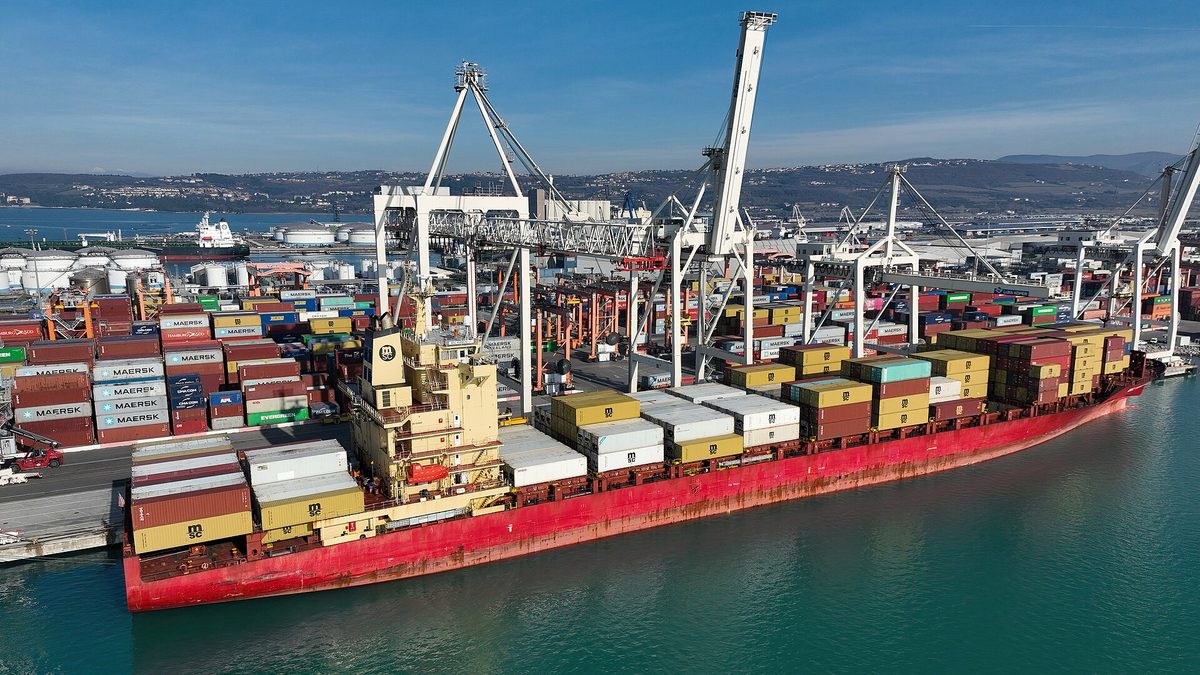
Importing into China: A Step-by-Step Customs Clearance Guide
Customs clearance in China runs on HS classification, valuation, licenses and the single window. A step-by-step guide to getting goods released without penalties.
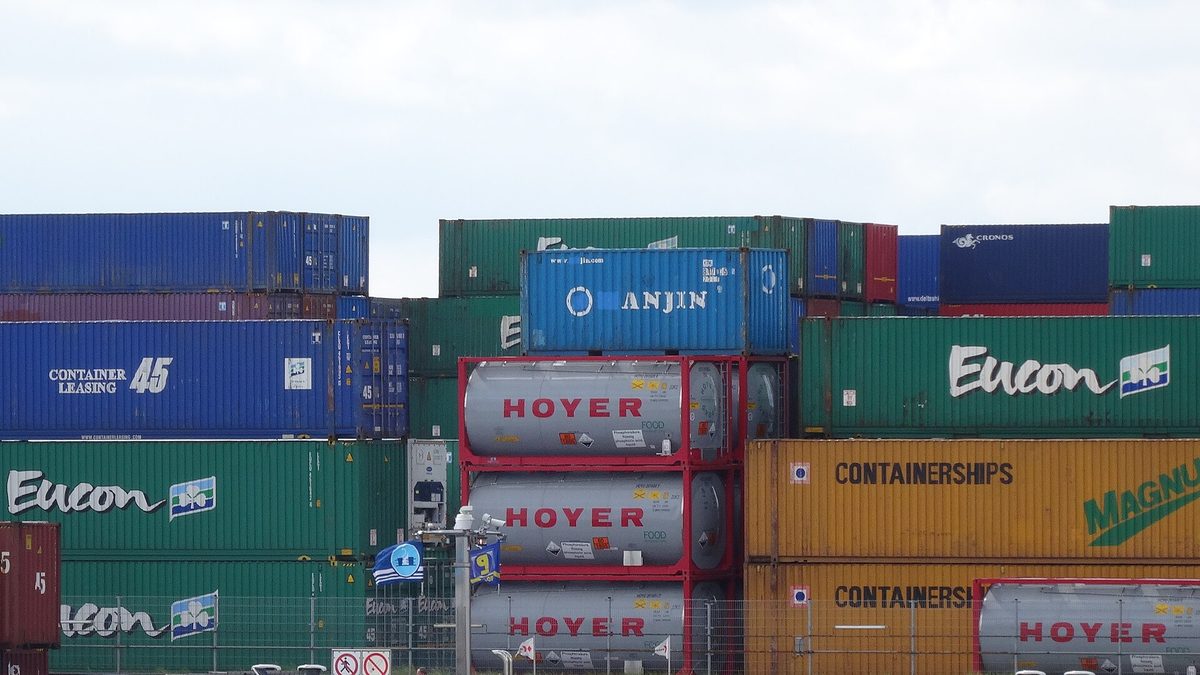
China Import Licensing and Product Registration: CCC, Food and Cosmetics
Before your goods enter China, many products need a license or registration: CCC certification, food-producer registration and cosmetics filing. What each one covers and how to check.