China CCC Certification: Mandatory Product Standards for Imported Goods
Certain products cannot legally enter China without the CCC mark — and the mark must match the exact model you are shipping. What the CCC system covers, how the catalogue works, and how to avoid buying a fake certificate.

A shipment of power tools, cables or household appliances can be stopped at the Chinese border for a single reason: the CCC mark on the product does not match the certificate, or there is no certificate at all. For an importer, that means demurrage, a stranded container and a customs penalty while the product sits in a bonded area. CCC is the gate most electrical and mechanical imports pass through, and it is worth understanding before the first order, not after.
What the CCC system is
CCC stands for China Compulsory Certification (强制性产品认证). It is China's mandatory product certification regime, run by the Certification and Accreditation Administration (CNCA) and delivered through designated certification bodies and laboratories. A product inside the CCC catalogue must be tested by an accredited laboratory, certified by a designated body, and marked with the CCC logo before it can be sold or imported into China. The mark is specific to the manufacturer, the product and the model — a certificate for one model does not cover a lookalike variant.
Which products need it: the catalogue
The CCC catalogue is a list, not a general rule. It covers product families such as electrical wires and cables, circuit breakers, low-voltage switchgear, certain household electrical appliances, lamps and lighting, power tools, vehicle tyres and glass, fire-fighting equipment, some IT and telecom equipment, and certain children's and safety products. The catalogue changes, so the only reliable check is the current version published by CNCA — do not rely on a supplier's or a competitor's memory of what is inside it. If your product is not in the catalogue, CCC does not apply and you can ship without it, though other standards such as GB labelling requirements may still bind you.
Two routes: full CCC certification vs self-declaration
Most catalogue products need full CCC certification: type testing at an accredited lab, a factory audit, and ongoing supervision. A smaller group of products has been moved to a self-declaration route (自我声明), where the applicant tests against the relevant standard and files a declaration — lighter, but still a real obligation and still backed by market supervision. Which route applies depends on the exact product code, so confirm the route for your specific HS code and catalogue entry before you budget for it.
How to check a CCC certificate is real
Fake or expired CCC certificates are common enough to be a whole category of their own. Before paying, verify the certificate independently: take the certificate number, the applicant name and the model, and look it up on the CNCA certification public query platform. Check three things — that the certificate is valid (not suspended or revoked), that the manufacturer and model match exactly what you are ordering, and that the certificate covers the standard your product actually needs. A supplier's PDF of a certificate is not verification; the public register is. For branded goods you should also confirm the certificate is in the name of the actual manufacturer, not a third party.
What importers get wrong
- Assuming the catalogue is fixed — it is revised; re-check each new product and each new year.
- Matching the logo but not the model — the mark is model-specific; a near-identical variant can be a different certificate.
- Trusting the supplier's certificate — verify against CNCA's register, and confirm the holder is the real manufacturer.
- Confusing CCC with a voluntary mark — a CE or UL mark does not substitute for CCC at the Chinese border.
- Shipping first and certifying later — uncertified catalogue goods can be seized or denied entry, and the demurrage is yours.
Make CCC verification a line item in your pre-shipment checklist: confirm the product is (or is not) in the current catalogue, confirm the correct route for the exact model, and check the certificate number on CNCA's public register against the manufacturer and model. This content is general information and not legal advice.
CCC is one of several product-compliance gates at the Chinese border. For the inspection and quarantine layer your shipment faces, see China Import Border Inspection and Quarantine (CIQ); and for labelling and GB standards, read China Product Labelling and GB Standards.
Related articles

China Free Trade Zone vs WFOE: Where to Register Your China Entity
Registering a WFOE inside a China pilot free trade zone changes more than the address: it can shorten the negative list, simplify customs, and open capital-account tools a standard WFOE does not get. Here is how to decide.
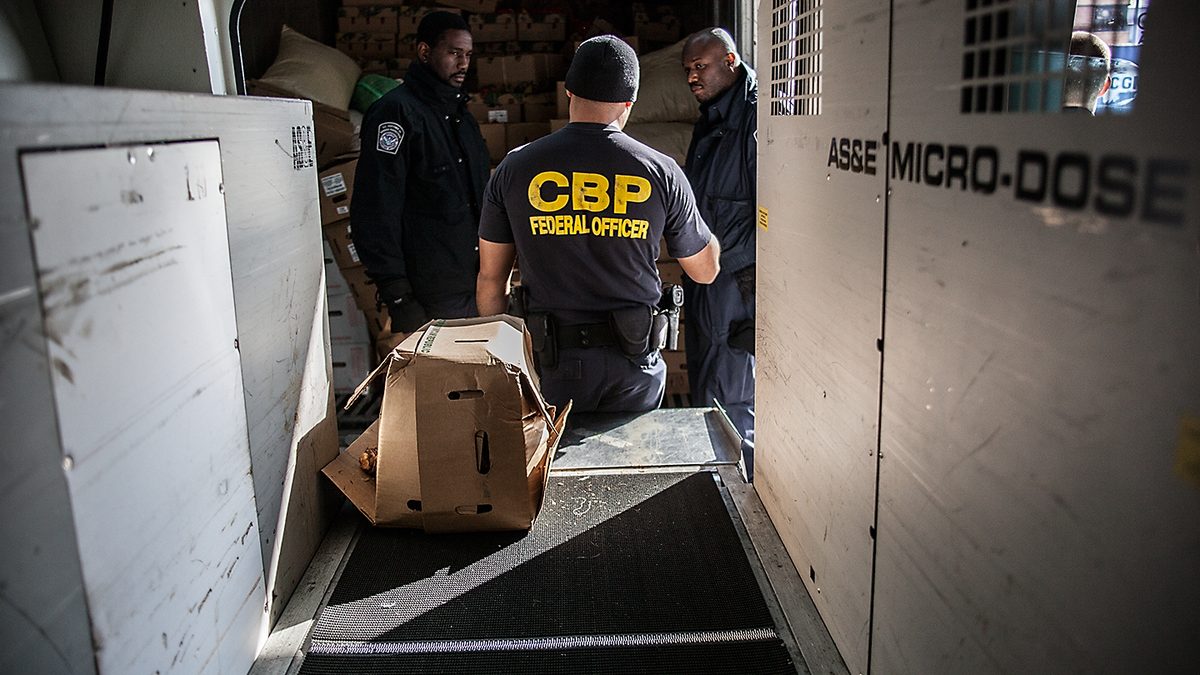
China Import Border Inspection and Quarantine (CIQ): What Your Shipment Faces at Customs
China's border inspection and quarantine regime sits on top of customs duty: statutory commodity inspection, animal and plant quarantine, and food-safety registration of the overseas manufacturer. Here is what your shipment must clear, in the right order.

China Trademark License Recordal: Why Filing the License with CNIPA Matters
A trademark licence in China is valid between the parties when signed — but without CNIPA recordal it cannot be asserted against a bona fide third party. The licence types, the filing process, and why recordal matters for royalties and customs.