Latest articles

China Temporary Import and ATA Carnet: A Guide for Exhibitors and Trade Shows
Shipping a booth, demo equipment or samples into China for an exhibition does not have to mean paying import duty and VAT, then reclaiming them on the way out. The ATA Carnet is designed for exactly this — but only if the goods, the paperwork and the 6-month clock are handled correctly.

China Payroll for Foreign Employers: Minimum Wage, Social Insurance and Overtime Rules
Foreign employers often budget a China payroll around one headline number and then discover the real cost is made of three stacked parts: a local minimum wage, mandatory social insurance contributions, and statutory overtime that can be 300% of the base rate. How each part actually works.

China Branch Office Registration: Tax and Liability for Foreign Companies
A branch is tempting because it looks cheaper than a subsidiary — but it is not a separate legal person, and the parent answers for its liabilities. How a China branch is registered, taxed and distinguished from a subsidiary and a representative office.

China Free Trade Agreements and Preferential Tariffs: A Guide for Importers
Importing into China is rarely a single number. The duty you actually pay depends on which rate applies — and the gap between the ordinary MFN rate and a free-trade-agreement rate can be several percentage points. How the rates stack, and how to claim the cheaper one.

How to Change a WFOE's Registered Capital, Shareholders and Directors in China
A WFOE is not a "set and forget" entity. Changing its registered capital, shareholders or directors means filings with the market regulator — and a capital reduction carries creditor-protection steps you cannot skip. Here is what actually has to happen.

China Foreign Investment Partnership and Limited Partnership Structures
Most foreign investors default to a WFOE or a joint venture. A partnership is a third option with a different liability profile — general partners carry unlimited liability, limited partners do not. How the structure works, and the rules that still apply.

China Food Import GACC Registration: Registering Foreign Food Producers
No foreign food producer can ship into China without a registration with the General Administration of Customs (GACC) — and the registration number has to appear on the packaging. Here is how the registration system works, what the 18-digit number means, and what changed when the rules were recently replaced.

WFOE Business Scope in China: Approval, Restrictions and What Happens if You Step Outside It
A WFOE can only lawfully do what its registered business scope says it can do. Draft the scope too narrowly and you cannot sign the contract you want; draft it too loosely and the registration is rejected. Here is how the scope works under the 2023 Company Law, the negative list, and the line between a fixable paperwork problem and a real violation.

China Withholding Tax and Double Tax Treaties: A Guide for Foreign Companies
When a Chinese company pays dividends, interest or royalties to a foreign parent, China takes a cut at the border. The headline number everyone quotes is 10% — but that is the product of a statutory 20% rate reduced by regulation, and a double tax treaty can bring it lower still. Here is how the withholding actually works.

China VAT Law 2026: What Foreign Companies Must Know
On 1 January 2026, China's value-added tax moved from regulations to statute. The headline rates are unchanged — 13%, 9% and 6% — but the codification firms up the refund and deemed-sales rules that foreign companies most often trip over.

China Overseas NGO Law: How Foreign Nonprofits and Trade Associations Operate in China
A foreign foundation or trade association that wants a mainland presence is governed by one statute: the Overseas NGO Law. Registration sits with the police, not the market regulator — here is how the two lawful routes work.

China Hospital and Healthcare Investment: Foreign Ownership Rules Explained
For two decades a foreign investor could not own a Chinese hospital outright. A 2024 pilot has changed that — but only in named cities, only for general hospitals, and only on conditions. Here is what the opening actually covers.

China Company Name Approval and Registration Requirements for Foreign Companies
Only the registered Chinese name carries legal weight — the English name is just a translation. Here is how a China company name is structured, approved through SAMR's online system and cleared against the trademark register before you lock it in.

China Hainan Free Trade Port and Greater Bay Area: Incentives for Foreign Investors
Hainan's 15% tax rates and zero-tariff lists, and the Greater Bay Area's 15% talent subsidy, are China's most generous regional incentives. Here is what a foreign investor can actually use — and the substance rules that decide eligibility.

Setting Up an Import-Export (Trading) WFOE in China
A trading WFOE lets a foreign company buy, sell and move goods across the China border without a local partner. Here is the registration sequence, the customs filing and the licences that turn the licence into an operating business.

Hiring Independent Contractors in China: Service Agreements and Disguised-Employment Risk
An "independent contractor" label isn't a fact. China can recharacterize service agreements as employment — back pay, social insurance and severance follow.

China Green Card: Permanent Residence for Foreign Executives, Investors and Talent
China's permanent residence permit is open to investors, top talent and family members — with real thresholds for investment, salary and tax. How to qualify.

How to Set Up an R&D Center in China: Structure, Tax Incentives and IP Ownership
A foreign R&D center in China can tap a 15% CIT rate, R&D super-deductions and equipment concessions — but structure and IP ownership must be set up first.

China Cross-Border E-Commerce Import Channels: 9610, 1210, 9710 and 9810 Explained
9610, 1210, 9710 and 9810 are China's four customs supervision codes for cross-border e-commerce. What each channel is for, the 5,000/26,000 RMB retail import limits, and which one a foreign brand should use.

China Customs Broker and Declaration Agent: How to Choose a Licensed Broker
A China customs broker files declarations on your behalf — but liability for the goods still lands on the importer. How broker filing works, what to check before appointing one, and the contract terms that protect you.

China Labor Contract Types: Probation, Fixed-Term and Open-Ended Contracts for Foreign Employers
China's Labor Contract Law sets three contract types, probation capped at one to six months by contract length, and open-ended contracts that trigger by law. What a foreign employer must get right when hiring in China.

China High-Tech Enterprise (HNTE) Status: The 15% Tax Rate and How Foreign Companies Qualify
A China High-Tech Enterprise pays 15% CIT instead of 25%. Here are the 2016 qualification thresholds — scientific personnel, R&D ratios and high-tech revenue — plus the R&D super-deduction and whether a WFOE can qualify.
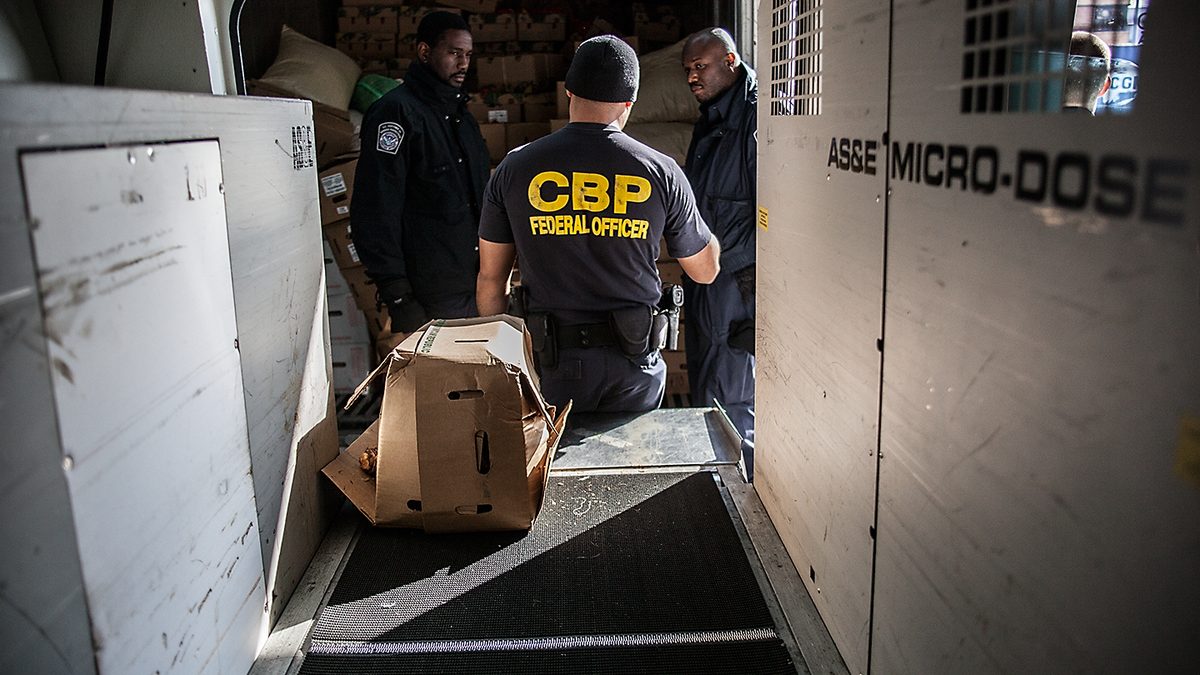
China Customs Audit and Post-Clearance Compliance: A Guide for Importers
Chinese customs can audit importers for three years after release. How the audit is opened, what records to keep, the voluntary-disclosure route under Announcement No. 194 of 2025, and the Tariff Law's back-tax rules.

China Patent Enforcement: A Guide for Foreign Companies
Punitive damages up to 5x, statutory damages to 5 million RMB, administrative adjudication, customs border seizure and the court hierarchy — how a foreign patent holder enforces its rights in China.