Latest articles

China's New Company Law (2024): What Foreign-Invested Companies Must Know
China's revised Company Law took effect on 1 July 2024 and it changes more than deadlines: capital contribution, board duties, shareholder liability, and how a foreign-invested company's articles of association must be written.

How Long Does a China Lawsuit or Arbitration Take? A Realistic Timeline
Six months? Two years? The honest answer to how long it takes to sue in China depends on the court, the case type, and whether the defendant stalls. Here is a realistic timeline for litigation and CIETAC arbitration, stage by stage.

China Company Restructuring: Converting, Merging or Relocating Your China Entity
Your China structure outgrew itself: the representative office should be a WFOE, two entities should be one, or the company should move to a cheaper city. Each change is a legal event in China — here is what converting, merging and relocating actually involve.

China CCC Certification: Mandatory Product Standards for Imported Goods
Certain products cannot legally enter China without the CCC mark — and the mark must match the exact model you are shipping. What the CCC system covers, how the catalogue works, and how to avoid buying a fake certificate.

China Trademark Non-Use Cancellation: Keeping Your Registration Alive
A China trademark can be cancelled if it goes three years without genuine use. How the non-use cancellation works, what counts as 'use', and how to defend your registration or attack a squatter's.

China Cross-Border Cash Pooling and FT Accounts for Multinationals
A China cash pool lets a multinational sweep renminbi and foreign currency between its China entities and its overseas treasury — but the structures are ring-fenced by SAFE. The schemes, the FT-account layer, and what it takes to qualify.

China Free Trade Zone vs WFOE: Where to Register Your China Entity
Registering a WFOE inside a China pilot free trade zone changes more than the address: it can shorten the negative list, simplify customs, and open capital-account tools a standard WFOE does not get. Here is how to decide.
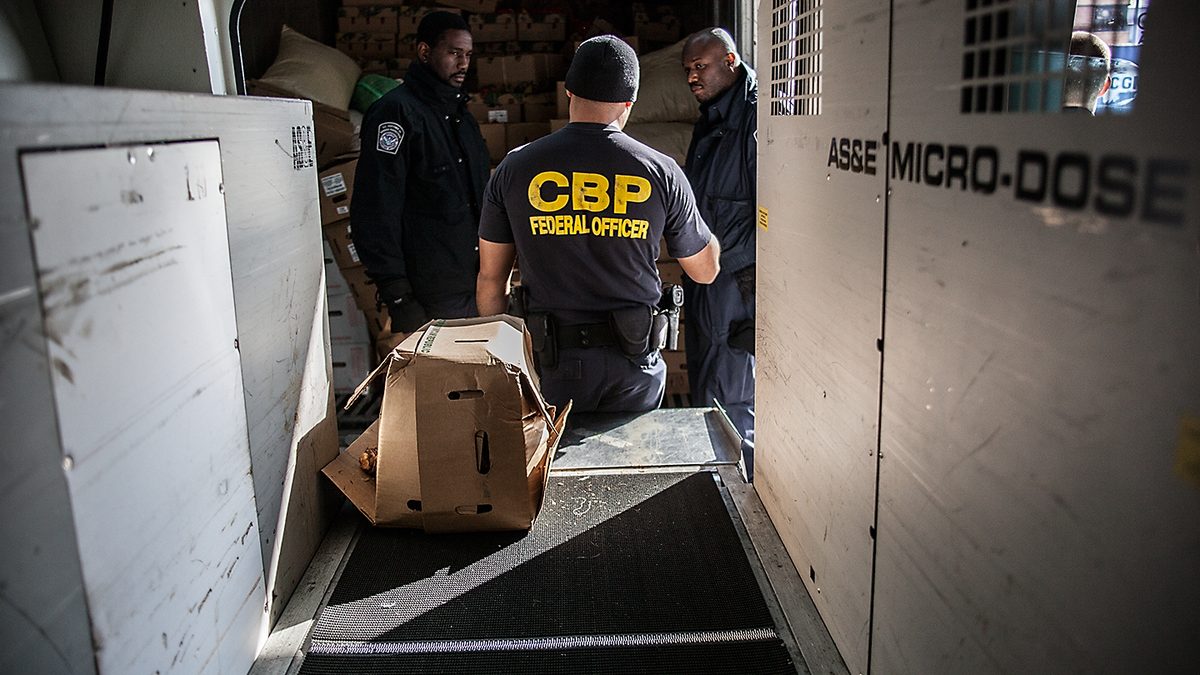
China Import Border Inspection and Quarantine (CIQ): What Your Shipment Faces at Customs
China's border inspection and quarantine regime sits on top of customs duty: statutory commodity inspection, animal and plant quarantine, and food-safety registration of the overseas manufacturer. Here is what your shipment must clear, in the right order.

China Trademark License Recordal: Why Filing the License with CNIPA Matters
A trademark licence in China is valid between the parties when signed — but without CNIPA recordal it cannot be asserted against a bona fide third party. The licence types, the filing process, and why recordal matters for royalties and customs.

China Market Entry Budget: How Much It Really Costs to Set Up and Run a WFOE
The real cost of a China WFOE is not the registration fee — it is the five-year registered capital rule, the monthly bookkeeping, and the social-insurance burden that starts the day you hire your first employee. Here is a realistic budget.

China Due Diligence: How to Vet a Local Partner, Distributor or Acquisition Target
China hands you an unusually good public paper trail — if you know which registries to pull. Here is the screen, the judgment-debtor check, and the document review that catches hidden shareholding and pledged equity.

China Corporate Governance: Board, Shareholder Meetings and Resolutions for a WFOE
A single-shareholder WFOE has no shareholders' meeting to convene — but it still lives and dies by paperwork. How the 2024 Company Law frames the organs, the legal representative, and the written resolution.
China Import Duty Classification: How the Harmonized System Determines What You Pay
China's Customs Tariff Law makes commodity classification a three-year risk: get the HS code wrong and customs can recover the underpaid duty, add a 0.05% daily surcharge, and fine you 30% to 200% of the shortfall. How the General Interpretative Rules work, and how an advance ruling locks the answer.

China Employee Handbook and Internal Rules: What Foreign Employers Can and Cannot Enforce
A China employee handbook only binds if it clears three bars: lawful content, the democratic procedure of Labor Contract Law Article 4, and proof that employees were notified. What foreign employers get wrong, and why a defective handbook can turn one dismissal into double severance.

China Transfer Pricing: Related-Party Transactions, Documentation and Audit Risk for Foreign Companies
China's transfer pricing rules turn on the arm's-length principle, but the exposure is in the paperwork: who must keep a master file and local file, what the RMB thresholds are, and what a special tax adjustment costs when the authority looks back 10 years.

China Import Quotas and Non-Tariff Barriers: What Foreign Exporters Face
China uses tariff-rate quotas, import licences and certification rules — not just tariffs — to regulate imports. What foreign exporters face and how to check the current catalogues.

When Do You Need a China Lawyer? 10 Scenarios Where Early Advice Saves Money
A China lawyer is cheapest before the problem exists. Ten situations — from a first contract to a regulator's knock on the door — where early advice costs a fraction of the clean-up.

China Import Duty Refunds and Customs Appeals: Recovering Overpaid Duties
China's 2024 Tariff Law lets importers reclaim overpaid duty — within 3 years, or 1 year for re-exports. How the refund, recovery and customs appeal rules actually work.

China Cosmetics Registration and Filing (NMPA): A Guide for Foreign Brands
China splits cosmetics into special (registration) and ordinary (filing) categories under the 2021 CSAR. What foreign brands must register, what they only file, and why the domestic responsible person is the step most get wrong.

China Digital Yuan (e-CNY) and Cross-Border Payments: What Foreign Companies Should Know
The e-CNY is the People's Bank of China's digital cash (M0), not another payment app. What it is, how it differs from Alipay and WeChat Pay, and where cross-border use actually stands for foreign companies.

China ESG and Sustainability Reporting Rules: What Foreign Companies Must Know
China's stock exchanges now require sustainability reports from a defined circle of listed companies, starting with the 2025 annual report filed by April 2026. What the four-pillar framework covers, who is in scope, and what it means for foreign companies.

China Golden Tax Phase IV: Digital Tax Supervision and What Foreign Companies Must Know
Golden Tax Phase IV turns China's tax administration into a data-driven system. What the digital supervision and fully digital e-invoices mean for foreign companies' VAT, income tax and transfer pricing.

China's Data Security Law and the Revised State Secrets Law: Compliance for Foreign Companies
Two China laws foreign companies underestimate: the Data Security Law (in force since 2021) and the revised State Secrets Law (effective 2024). How data classification, important-data rules and secrecy obligations reach ordinary commercial work.

China's Revised Anti-Money Laundering Law (Effective 2025): What It Means for Foreign Companies and Their Bank Accounts
China's revised Anti-Money Laundering Law took effect on 1 January 2025. What foreign companies must know about customer due diligence, beneficial-ownership disclosure and why bank accounts get restricted.