Latest articles

China Cybersecurity Compliance: Multi-Level Protection Scheme (MLPS 2.0) and the Cybersecurity Law
China's Cybersecurity Law, MLPS 2.0 (GB/T 22239-2019) and the 2026 revision — what foreign companies operating networks in China must file, assess and protect.
China PEO and Employer of Record (EOR): A Practical Guide for Foreign Companies
A PEO/EOR lets you hire in China without a local entity — but under Chinese law it is usually labour dispatch, with the 10% cap, three-type position limits and joint liability that follow.

China Financial Services Licensing: A Guide for Foreign Banks, Insurers and Asset Managers
Foreign banks, insurers, securities firms and fund managers in China are licensed under dedicated rules, not the negative list. What opened in 2019–2020 and what still needs approval.
China E-Commerce Live-Streaming and Influencer Marketing: Compliance for Foreign Brands
Live-streaming sells, but it is also the most-regulated channel in China e-commerce. The 2021 live-streaming marketing measures, endorser rules under the Advertising Law, and the new 2026 live-streaming e-commerce supervision measures.
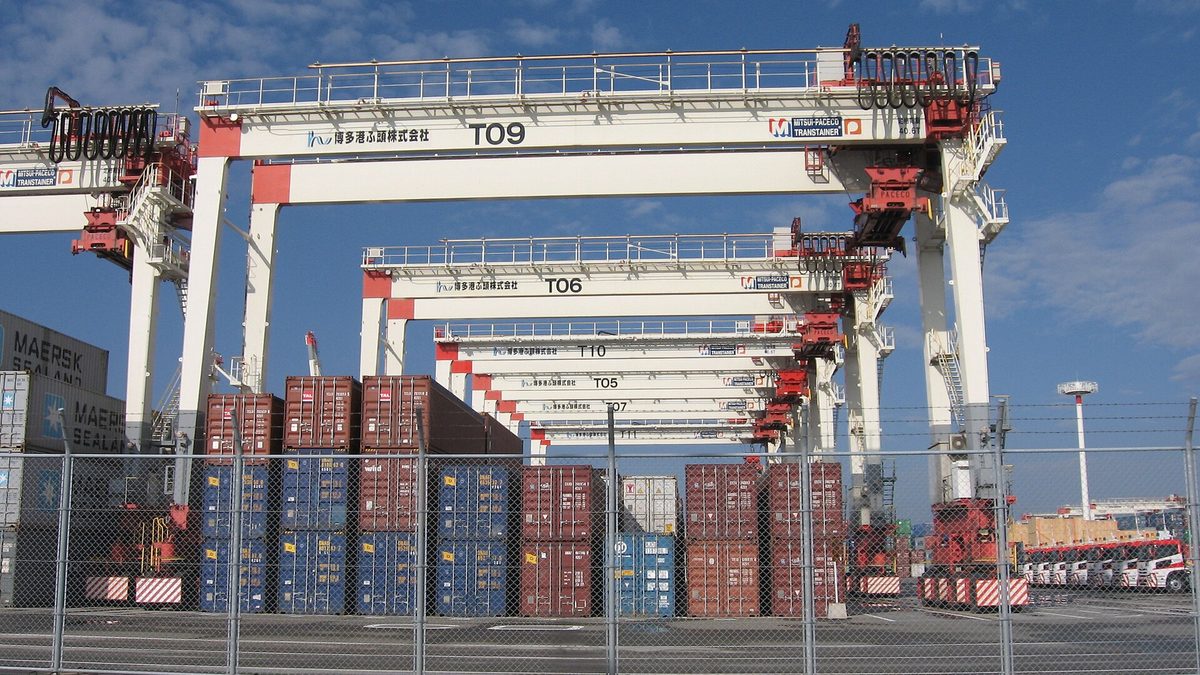
Importing to China: Warehousing, Bonded Zones and Logistics Compliance
Where your goods sit before sale decides your China duty and VAT exposure. The comprehensive-bonded-zone rules under GACC Decree No. 256, the one-year bonded-warehouse storage clock, and the 1210 cross-border e-commerce model — in order.

China Consumer Protection Law: What Foreign Brands Selling to Chinese Consumers Must Know
Treble-damages fraud liability, the seven-day no-reason return, and platform joint liability under the E-Commerce Law. The China consumer-protection rules a foreign brand must price into selling to Chinese consumers.

China Employee Equity Incentive Plans: ESOP for Foreign-Invested Enterprises
Equity incentives in China run on a strict regulatory track — the Company Law, tax deferral rules and the platform structures that actually work. How a WFOE can design an ESOP that holds up.

China's Social Credit System: What Foreign Companies Need to Know
China's social credit system is not a single citizen score — but its corporate blacklists and credit-repair rules can affect a foreign company's licences, loans and market access. How it actually works.

Opening a Food and Beverage Business in China: Licenses and Compliance
A restaurant or food business in China needs more than a business licence: a food-operation permit, a 5-year renewal cycle, label rules for imported goods and a changing national standard. The licence stack, in order.

China Joint Venture Agreement: Key Clauses for Foreign Partners
A China JV lives or dies by its agreement: capital contributions, board control, deadlock, IP and exit. The clauses foreign partners must negotiate before signing.
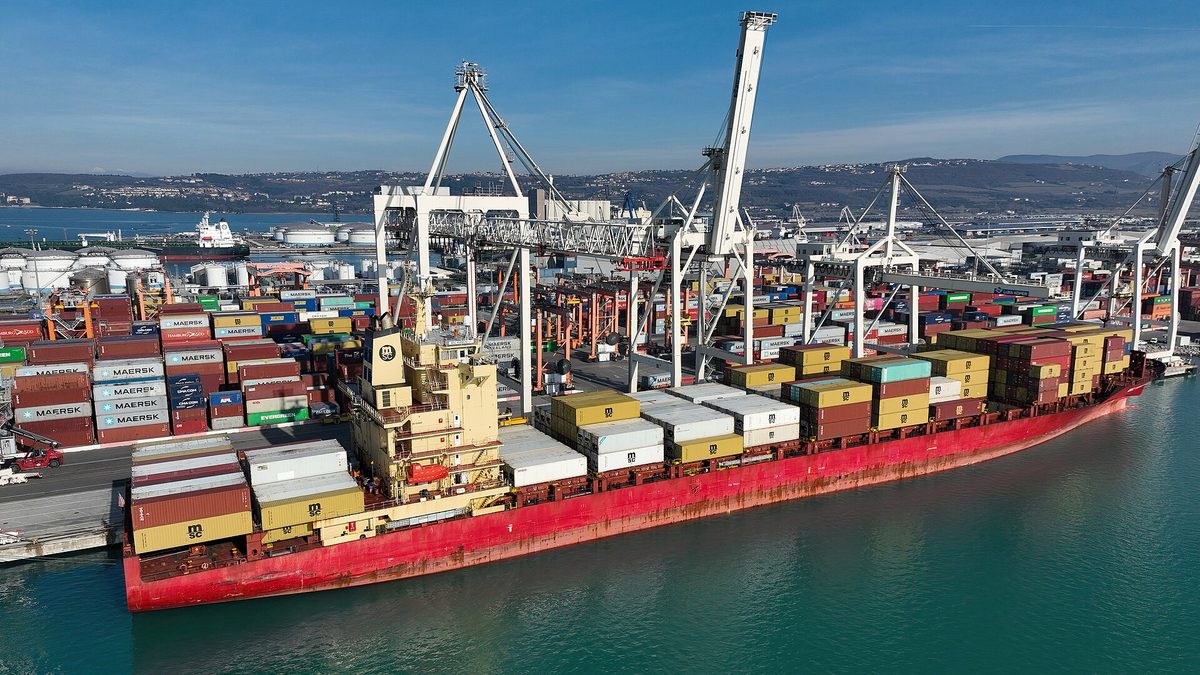
Importing into China: A Step-by-Step Customs Clearance Guide
Customs clearance in China runs on HS classification, valuation, licenses and the single window. A step-by-step guide to getting goods released without penalties.

Doing Business in China: The Services Sector
Services are China's fastest-growing sector — but also the most restricted for foreigners. FDI negative-list rules, ICP licensing and the paths that actually work.
China Copyright Registration and Software Protection: A Practical Guide
Copyright in China arises automatically, but registration is your proof. Software registration, work-for-hire rules and the damages now available under the 2020 Copyright Law.

How to Choose and Vet a China Lawyer for Your Business
Not every "China lawyer" can practice PRC law. How to verify a lawyer's licence, spot foreign-firm limits and red flags before you sign an engagement.

China Contract Manufacturing (OEM) Agreements: Key Clauses for Foreign Brands
OEM manufacturing in China hinges on the contract: IP ownership, tooling, quality standards, payment and dispute clauses. The key terms foreign brands must get right.
China Trademark Opposition and Cancellation: How Foreign Brands Defend Their Marks
China protects the trademark you register, not the one you already use. When a squatter or a competitor files first, a foreign brand has three counter-attacks: opposition, invalidation and non-use cancellation.

China Customs AEO Program: Authorized Economic Operator Benefits for Importers
Certified importers clear China customs faster, face fewer inspections and post smaller guarantees. What the AEO program actually delivers, who can qualify, and how mutual recognition extends the benefits abroad.
China Advertising Law: A Compliance Guide for Foreign Brands Marketing to Chinese Consumers
A campaign that is perfectly legal at home can be a fine machine in China. Superlatives, unsubstantiated claims and unqualified endorsers are the three traps — here is the Advertising Law checklist that keeps a foreign brand out of them.

China Import Contracts: Key Clauses to Protect Your Deal
Most import disputes are not about a supplier who disappeared — they are about a contract that never said who bears the risk when the goods are damaged, late, or wrong. These are the clauses that actually decide the outcome.
China Customs Valuation: How Import Duties Are Really Calculated
The invoice price is only the starting point. China assesses import duty on a CIF-based customs value that can pull in freight, insurance, assists and even royalties — here is how the value is built.

China Permanent Establishment: When a Foreign Company's China Activities Trigger Tax
A foreign company can sell into China for years without a taxable presence — right up until an employee, an agent or a project site crosses a threshold. How a permanent establishment forms, and what it costs.

Best Cities to Do Business in China: Shanghai, Shenzhen and Beijing Compared
Shanghai for consumer and finance, Shenzhen for hardware, Beijing for policy and R&D — how to choose the right city for your WFOE.

China Accounting and Bookkeeping Requirements for a WFOE
Chinese Accounting Standards, monthly and quarterly tax filings, fapiao and the annual audit — the recurring compliance calendar.

How Long Does It Take to Set Up a Company in China? A Realistic Timeline
The licence can be fast, but the bank account is the bottleneck. From name approval to a bankable company — a stage-by-stage timeline.